


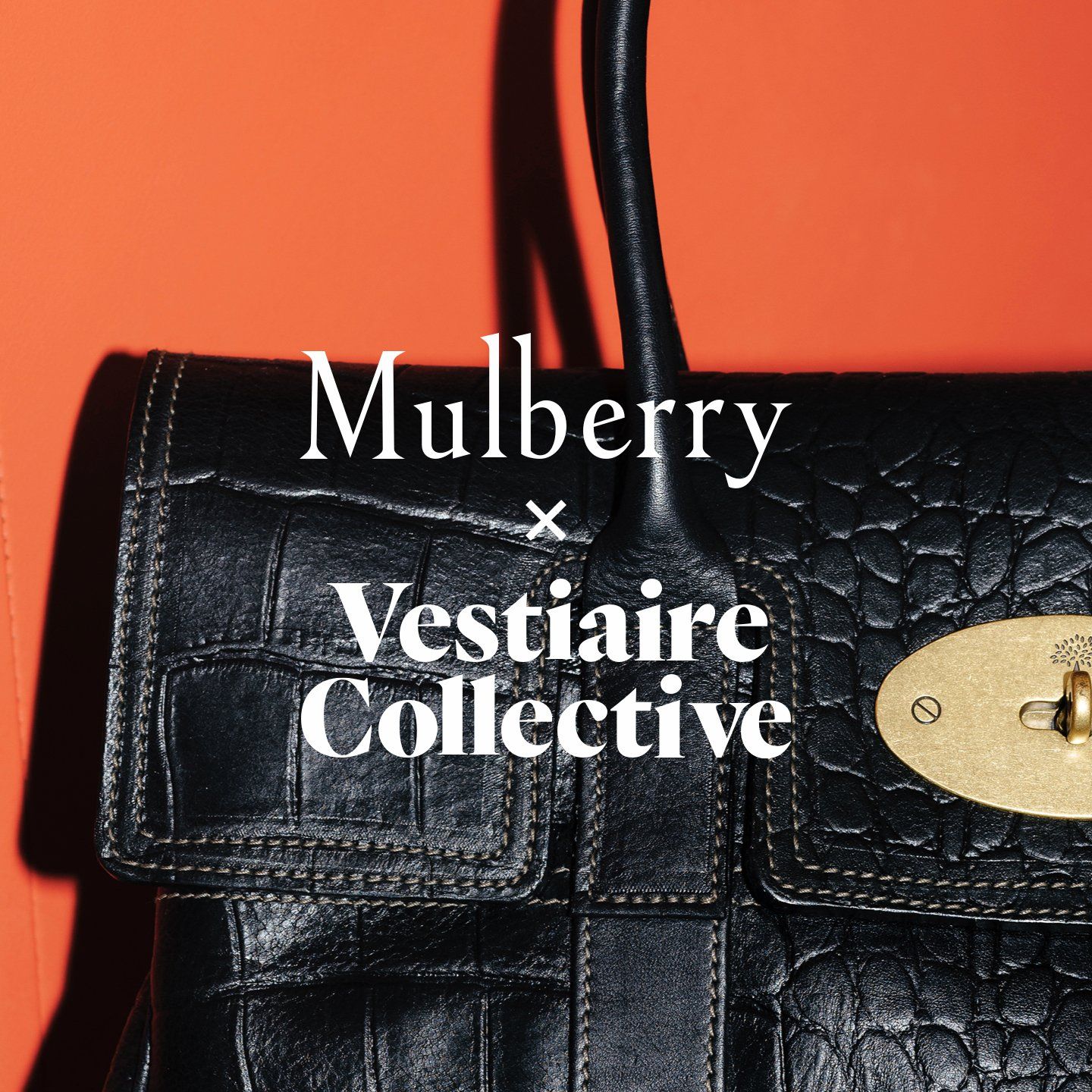
In an era defined by digital noise and ephemeral trends, the act of selecting a Mulberry handbag emerges as a profound exercise in counter-cultural discernment. It is a deliberate step away from the churn of fast fashion and into the realm of considered acquisition—where an object is chosen not merely for its appearance, but for its potential to become a silent, steadfast partner in the narrative of one’s life. The projected growth of the U.S. luxury handbag market to $11.48 billion by 2025 is not just an economic indicator; it is a testament to a collective shift towards valuing substance, heritage, and enduring design. Within this landscape, Mulberry stands apart, not as the loudest voice, but as the most assured—a brand built on the quiet confidence of English craftsmanship and timeless silhouettes. This guide is not a simple checklist, but a philosophical framework designed to help you navigate the nuanced journey of choosing a Mulberry bag that transcends seasonal whims to become a lifelong companion.
Chapter I: The Mulberry Ethos – Understanding the Foundation of Value
To choose a Mulberry wisely, one must first appreciate what the brand fundamentally represents. Founded in 1971 in the heart of England’s Somerset countryside, Mulberry’s identity is inextricably linked to the principles of saddlery and leathercraft. This heritage is not a marketing myth but a living practice, evident in every stitch and curve.
-
Craftsmanship as Narrative: Many core styles are still produced at its own UK factories. This vertical integration ensures an unparalleled level of quality control, resulting in bags renowned for their structural integrity. The weight of the brass hardware, the precision of the glazing on leather edges, and the resilience of the stitching are tactile testaments to this commitment.
-
Design Intelligence Over Decoration: Mulberry’s iconic shapes—the Bayswater, the Lily, the Iris—are studies in sophisticated utility. They are designed with an understanding of the female form and the rhythms of daily life. Their beauty lies in their intelligent proportions and functional elegance, not in transient decorative details. This design purity is why a Bayswater from a decade ago feels as relevant and desirable today as the latest iteration.
-
The “Made to Last” Imperative: In 2026, longevity is the ultimate luxury. Mulberry’s entire philosophy is predicated on this, manifesting in its robust materials, restorative aftercare services, and a public commitment to a Net Zero footprint. A Mulberry bag is engineered to develop a characterful patina, not to deteriorate. This positions it not as a consumable, but as an appreciating asset—both emotionally and, often, financially on the robust resale market.
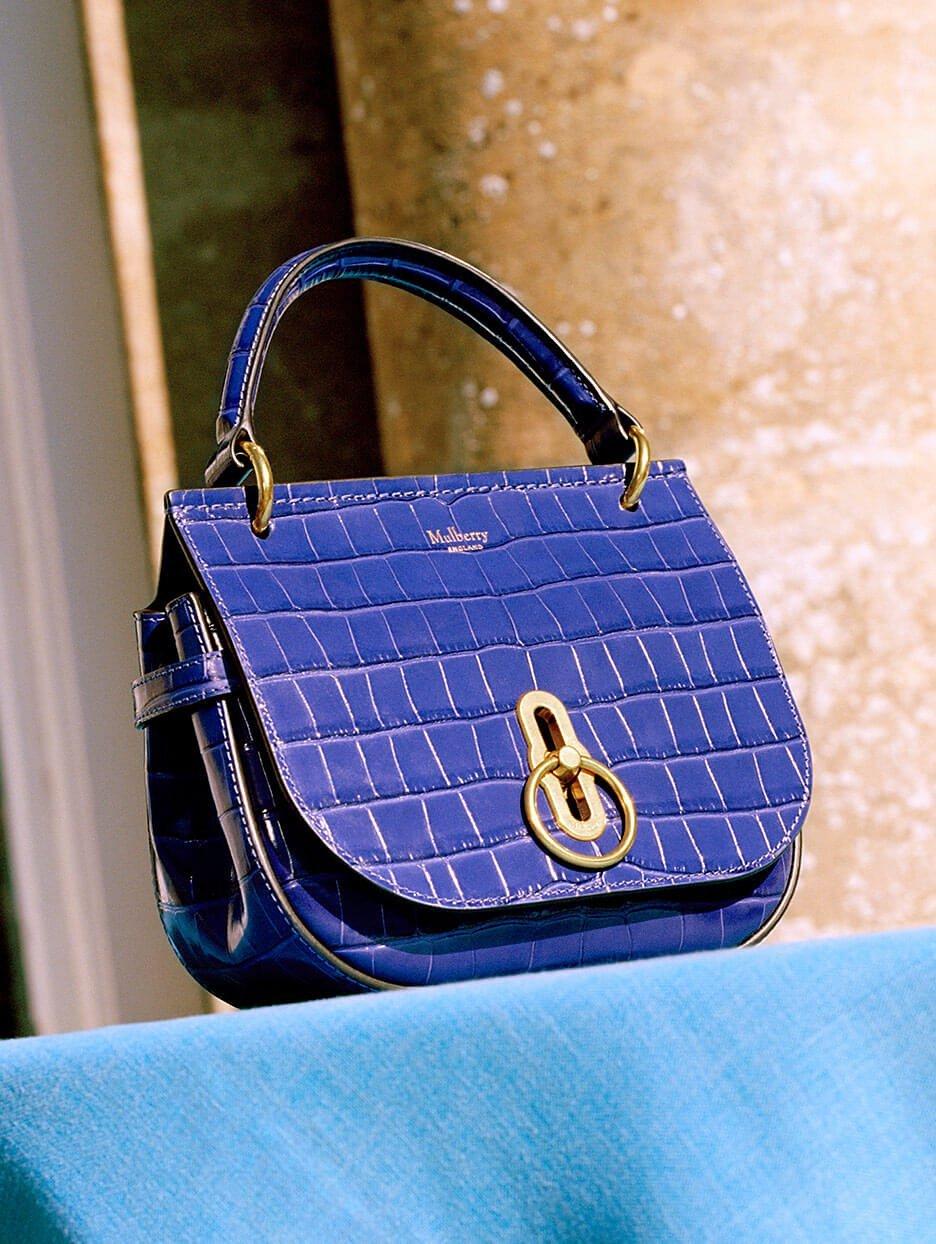
Chapter II: The Introspective Audit – Aligning Object with Identity
The most common error in luxury acquisition is a disconnection between the purchased object and the purchaser’s reality. The first and most critical step is an honest audit of self and circumstance.
1. The Lifestyle Diagnosis:
Map your typical week with clinical honesty. Your bag must serve your reality, not an aspirational fantasy.
-
The Metropolitan Professional: Your needs are defined by technology and transition. You require a bag that can seamlessly carry a 13-15” laptop, a tablet, a wallet, and daily essentials while maintaining a polished silhouette. Structured satchels or totes with secure closures (like the Zipped Bayswater or Bayswater Tote) and multiple internal compartments are non-negotiable.
-
The Dynamic Commuter & Explorer: Hands-free functionality is paramount. Your bag must be a secure, lightweight companion for crowded transit, school runs, or weekend adventures. Crossbody styles with adjustable straps (the Small Iris, Mini Antony) or chic, practical backpacks offer the necessary liberation and security.
-
The Minimalist Purist: You carry only the essentials—phone, keys, cardholder, lipstick. For you, the bag is an exercise in edited elegance. A Mini Lily or a Micro Bayswater becomes a sculptural accessory, where the beauty of the leather and hardware is the statement.
2. The Wardrobe Synthesis:
Your handbag is the anchor of your visual identity. Analyze your wardrobe’s dominant language.
-
The Neutral Architect: If your palette is built on black, cream, navy, and camel, your bag should be a harmonious extension. Mulberry’s Oak Natural Leather is transformative—a warm, evolving neutral that complements everything. Classic Black or Storm Grey offer timeless, bulletproof versatility.
-
The Colorist or Maximalist: For those who dress in prints, textures, and bold hues, a bag can provide grounding or a deliberate contrast. A deep, saturated shade like Forest Green, Darling Pink, or Oxblood can act as a sophisticated, defining constant amidst sartorial variety.
-
The Texture Enthusiast: If your style leans towards tactile richness—cable knits, tweeds, silks—consider the leather’s character. A soft, slouchy grained calfskin or a unique embossed texture can add a layer of depth and sensory pleasure to your ensemble.
Chapter III: The Analytical Framework – Deconstructing the Specifications
With your personal context defined, you can dissect a bag’s features with a critic’s eye.
A. The Material Canon:
Mulberry’s leathers are its library. Knowing them is essential.
-
Oak Natural Leather: The iconic unfinished leather. It is alive; it will develop a unique patina, darken, and soften with time and touch. Choosing Oak is choosing a collaborative journey with your bag. It requires acceptance of natural markings and a commitment to care.
-
Polished Goat & Grained Calf: The resilient workhorses. Polished goat is luxuriously soft with a subtle sheen, while grained calf (like the historic Darwin leather) is famously scratch-resistant and low-maintenance, ideal for a high-use, all-weather companion.
-
Innovation & Sustainability: Explore Mulberry Heavy Grain for ultimate durability, or seek out seasonal editions featuring innovative, lower-impact materials aligned with the brand’s 2026 sustainability goals, offering luxury with a clear conscience.
B. Architectural Form & Function:
-
The Scale Principle: Mulberry’s sizing (Micro, Mini, Small, Regular) is consistent but feels different across styles. A “Small” Bayswater holds a small universe; a “Mini” Iris holds just the essentials. Always cross-reference stated dimensions with the physical volume of your daily carry.
-
The Structure Spectrum: Decide between architectural rigidity (the structured Bayswater, offering organization and a formal profile) and relaxed fluidity (the slouchy Alexa or the soft Amberley, offering casual, bohemian ease). Hybrids like the Lily offer a perfect, semi-structured middle ground.
-
Functional Mechanics: Scrutinize the closure (turn-lock, magnet, zip, open), strap configurability (detachable crossbody straps are a versatility multiplier), and interior organization. Does it have a dedicated laptop sleeve? A secure zip pocket? A key leash? These details are the unsung heroes of daily satisfaction.
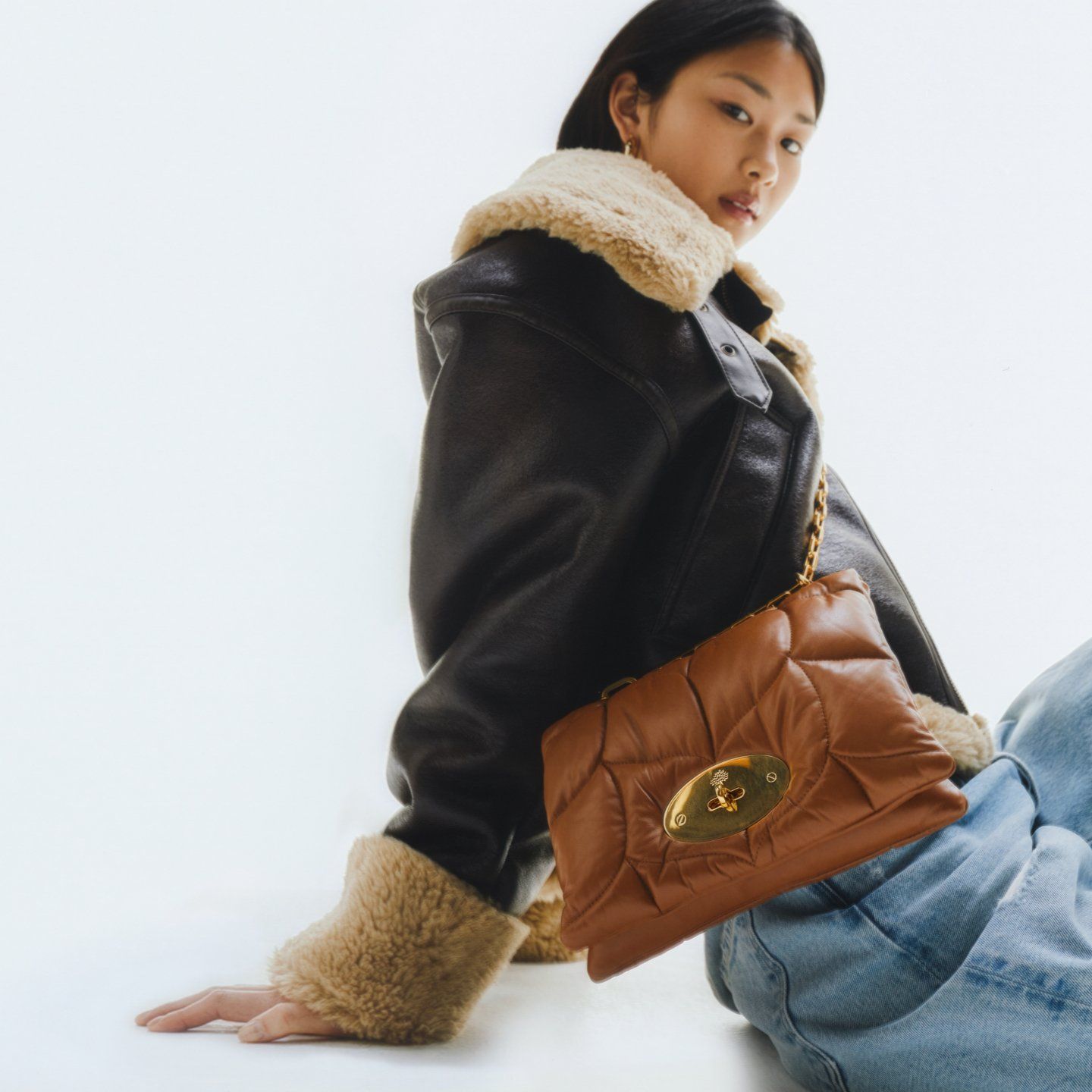
Chapter IV: The Acquisition Strategy – A Tactical Approach to a Lasting Investment
The final phase is operational, transforming desire into a wise, enduring possession.
1. The Budgeting Philosophy: Adopting Cost-Per-Wear
Reframe the purchase price through the lens of longevity. A $1,800 bag worn 300 days over five years has a Cost-Per-Wear (CPW) of $6. Compare this to the hidden cost of multiple, disposable trend-bags. The accessible luxury segment ($250-$500 for pre-owned/small leather goods; $1,200-$2,800 for new iconic pieces) represents not an expense, but a strategic allocation for an asset that depreciates in CPW daily.
2. The Provenance Decision: New versus Pre-Owned (Circa 2026)
-
The New Ritual: Buying from a boutique offers the full sensory and service experience: pristine leather, the latest colourways, authentication guarantee, and the personal narrative of being the first owner. It is a ceremonial act, ideal for a defining milestone.
-
The Pre-Owned Pursuit: The secondary market is now a mature, legitimate, and sustainable channel. Platforms offer significant savings (often 30-50%), access to discontinued or vintage “unicorn” pieces, and the charm of a bag with a pre-loved history. For 2026, this is not a compromise, but a savvy, eco-conscious choice for the discerning buyer. Vigilant authentication is paramount.
3. The Non-Negotiable Physical Trial
If geography permits, a boutique visit is essential. Digital imagery cannot communicate the heft of the leather, the scent, the sound of the closure, or how the strap feels on your shoulder. Load the bag with your actual contents. Walk with it. Observe its profile against your body. This tactile dialogue is the most effective safeguard against regret.
4. Pitfall Navigation: Guarding Against Temporal Errors
-
Resist the Impulse Specter: True luxury is the antithesis of impulse. Impose a mandatory reflection period. Revisit your Chapter II audit. Does this bag genuinely align, or is it a fleeting infatuation?
-
See Beyond the “It-Bag” Halo: While Mulberry creates coveted styles, ensure your choice is rooted in your permanent style lexicon, not the transient glow of social media trend cycles.
-
The Function-Form Symbiosis: Never sacrifice core utility for aesthetics. A beautiful bag that cannot comfortably and securely house your daily necessities will become a source of frustration, a decorative relic rather than a trusted companion.
Epilogue: The Silent Language of a Companion
Choosing a Mulberry handbag in 2026 is, in its quietest sense, a philosophical stance. It is a vote for patience over immediacy, for narrative over novelty, and for the profound satisfaction of an object that grows more beautiful and meaningful with time. The right bag ceases to be an “it” and becomes a “thou”—a silent witness to your days, acquiring the scuffs, sheen, and character that tell your unique story. It is not merely purchased; it is curated and eventually, bequeathed. By engaging with this process not as a consumer, but as a curator of your own legacy, you secure far more than a handbag. You secure a future heirloom, imprinted with the indelible mark of a life well-lived.
Related posts