

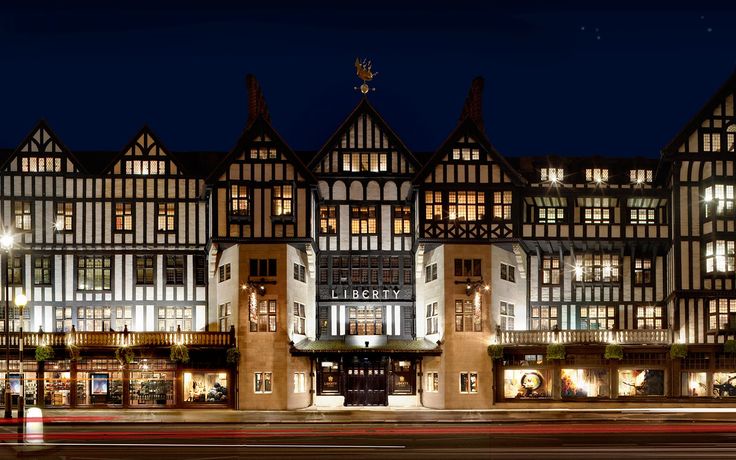
In the volatile landscape of global retail, where brands rise and fall with alarming speed, Liberty London presents a fascinating paradox. It is a brand steeped in Victorian history, housed in a faux-Tudor building, and famed for floral prints rooted in Art Nouveau, yet it maintains a potent, cutting-edge relevance in 21st-century fashion and design. This analysis decodes the Liberty London paradigm—the strategic interplay of archival authority, collaborative alchemy, and experiential retail—that allows this historic name to not just survive but thrive as a contemporary icon of creativity and sophistication.
The Strategic Asset: The Liberty Print Archive as a Design Currency
At the heart of Liberty’s modern strategy lies its most formidable asset: the vast and meticulously maintained Liberty Print Archive. Housing tens of thousands of original designs dating back to the 1880s, this archive is not a relic but a dynamic, revenue-generating IP library. Each pattern—from the iconic “Ianthe” and “Hera” to more obscure botanical studies—carries with it a narrative of artistry, a stamp of quality, and a rich aesthetic heritage.
The strategic genius lies in Liberty’s active management of this archive. It functions in several key ways:
-
Core Product Engine: It continuously feeds the brand’s own legendary Liberty Fabrics division. Sold by the meter and in made-up products (from scarves to pajamas), these fabrics are a direct line to the brand’s artisanal core, appealing to home sewists, quilters, and luxury consumers seeking authenticity.
-
Licensing Goldmine: The patterns are licensed to a highly curated selection of partners in sectors ranging from high-end fashion and accessories to stationery, ceramics, and wallpaper. This extends the brand’s reach without diluting its exclusive manufacturing.
-
Collaborative Springboard: For major collaborations, the archive provides a deep well of inspiration. Design teams from partner brands are granted access to “mine” the archive, re-coloring, scaling, and reinterpreting vintage patterns for modern products. This process transforms historical art into contemporary commodity.
This archive-centric model creates a powerful heritage moat. No new brand can replicate this depth of history and design provenance. Liberty’s prints are instantly recognizable, carrying a century of cultural weight that translates directly into consumer desire and commercial value.
The Collaborative Alchemy: Curating Relevance Through Partnership
Liberty London has elevated brand collaboration from a marketing tactic to a core pillar of its business model and cultural strategy. Its collaborations are famously selective and conceptually driven, falling into distinct tiers that serve different strategic purposes:
1. High-Fashion Elevation: Partnerships with luxury houses like Loewe, Erdem, or Simone Rocha serve to reinforce Liberty’s position at the pinnacle of the fashion ecosystem. When Jonathan Anderson uses a bold Liberty print for a Loewe runway show or handbag, it validates the print’s luxury status and introduces it to a global, fashion-forward audience that might not visit the London store. These collaborations are about prestige and aesthetic dialogue.
2. Accessible Diffusion: Collaborations with high-street and sportswear giants like Uniqlo, Nike, and Adidas perform a different function. They are exercises in democratization and brand rejuvenation. A Liberty-print Nike sneaker or a Uniqlo t-shirt brings the brand into the daily lives of millions, particularly younger consumers. These partnerships are massive in scale, generate significant revenue, and are crucial for maintaining broad cultural visibility and attracting new generations of customers.
3. Lifestyle Extension: Partnerships with brands like Charbonnel et Walker (chocolate), Royal Warrant holders, or premium homeware brands extend the Liberty aesthetic into new consumption categories. They reinforce the idea of a “Liberty lifestyle”—a cohesive world of refined, beautifully designed living.
The success of these collaborations hinges on Liberty’s stringent curatorial control. The brand is exceptionally careful to partner with entities that, while perhaps contrasting in style, share a fundamental commitment to design integrity. This ensures that even the most mass-market collaboration feels like a credible extension of the Liberty world, not a cheap dilution.
The Experiential Anchorage: The Store as an Immersive World
In an age of digital dominance, Liberty’s physical flagship remains its most powerful storytelling device. The experience of visiting the Great Marlborough Street store is a masterclass in immersive retail theatre.
-
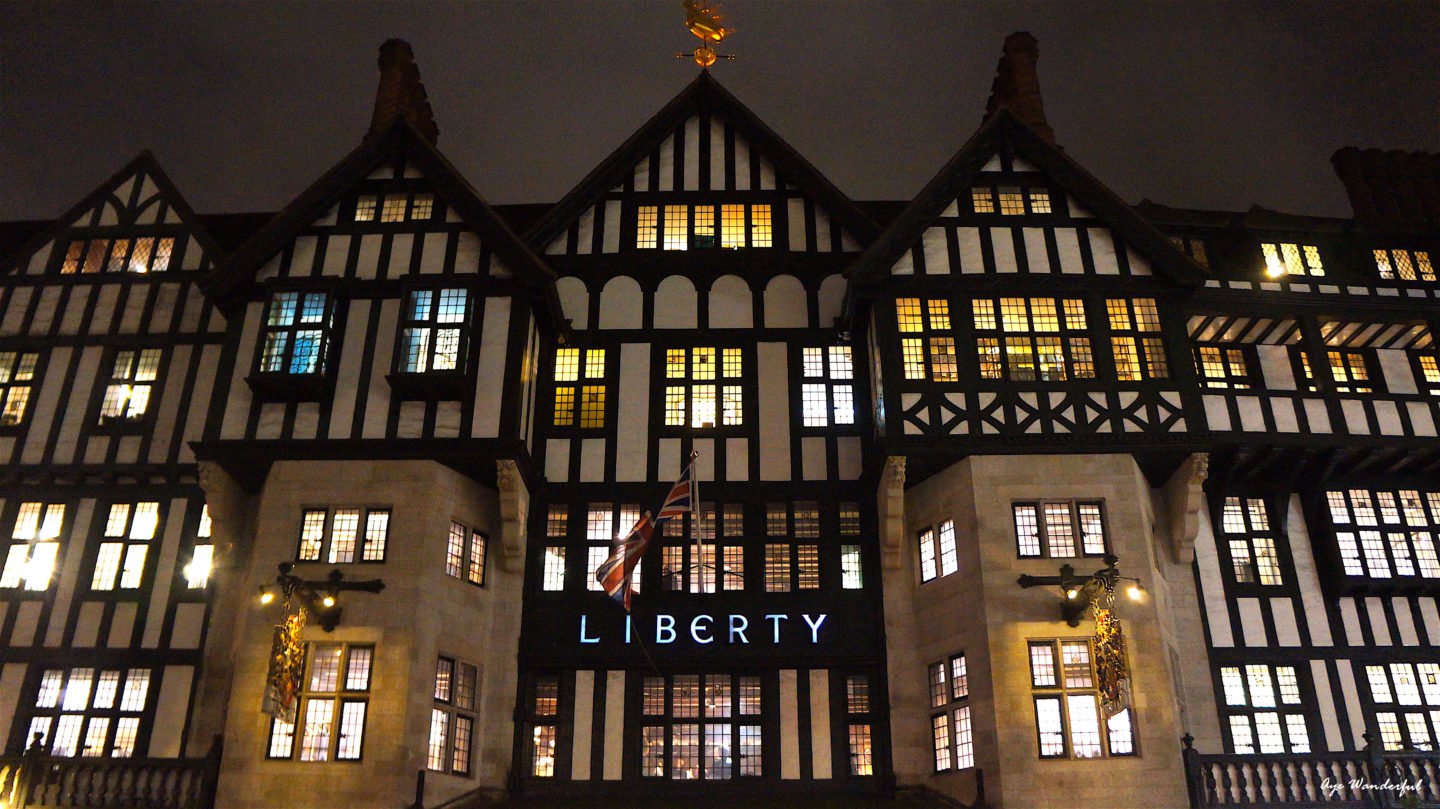
Architectural Narrative: The Tudor Revival building, with its ship-timbered halls and warren-like rooms, immediately transports the visitor out of modern London. It physically embodies the brand’s heritage and craft values, making the history tangible.
-
Departmental Curation: The store is laid out not as a conventional department store but as a series of interconnected “rooms” and “galleries.” The famous Liberty Fabric Hall is a destination in itself, a cathedral of pattern and color. The beauty halls, fashion departments, and homeware spaces are curated like chapters in a book on eclectic, artful living.
-
Window Displays: Liberty’s windows are legendary, often commissioned as artistic installations. They are not just about displaying products but about creating mood, telling seasonal stories, and surprising passersby, reinforcing the brand’s creative credentials.
-
Digital Integration: Rather than letting e-commerce cannibalize the store, Liberty has integrated it. The website and social media channels extend the in-store aesthetic, offering curated edits, behind-the-scenes looks at the archive, and the story behind collaborations. The physical store provides the unforgettable experience; digital channels maintain the relationship and enable global access.
This holistic experience creates immense brand loyalty. Customers are not buying a product; they are buying into a world—a sensory and intellectual universe defined by beauty, history, and discovery.

Balancing Tradition and Innovation: The Operational Philosophy
The operational challenge for Liberty is perpetual: how to honor its artisanal past while operating at a scale that ensures commercial viability. The brand walks this tightrope with notable skill.
In its Merton print works, it maintains traditional techniques like hand-guided screen printing for special collections, preserving the craft that defines its quality. Simultaneously, it employs state-of-the-art digital printing technology to produce its vast quantities of “Liberty Lifestyle” fabrics efficiently and with stunning color accuracy. This is the operational manifestation of its brand paradox: using the future to protect the past.
Similarly, its product development respects the archive while looking forward. Each season, new prints are designed, often by in-house artists, that feel contemporary yet are unmistakably “Liberty” in their intricate, nature-inspired detail. They sit alongside re-issued classics, creating a product ecosystem that satisfies both the traditionalist and the trend-seeker.
Conclusion: The Blueprint for Timeless Relevance
Liberty London offers a compelling blueprint for how a heritage brand can achieve timeless relevance. Its strategy is a virtuous cycle: its deep archive (Heritage) provides the unique design currency for strategic collaborations (Relevance), which are amplified through an immersive physical and digital experience (Engagement), all of which reinforce the brand’s legacy and fuel the continued curation of its archive.
The ultimate lesson of Liberty London is that in a world obsessed with the new, there is profound power in the authentically old—but only if that history is actively managed, creatively reinterpreted, and expertly communicated. Liberty does not ask consumers to live in the past; it invites them to bring the beauty of the past into their present. It is not a museum but a workshop, where history is the raw material for endless, beautiful reinvention. This is why, from its Tudor-style heart in London, Liberty London continues to dictate the pattern of global taste.