
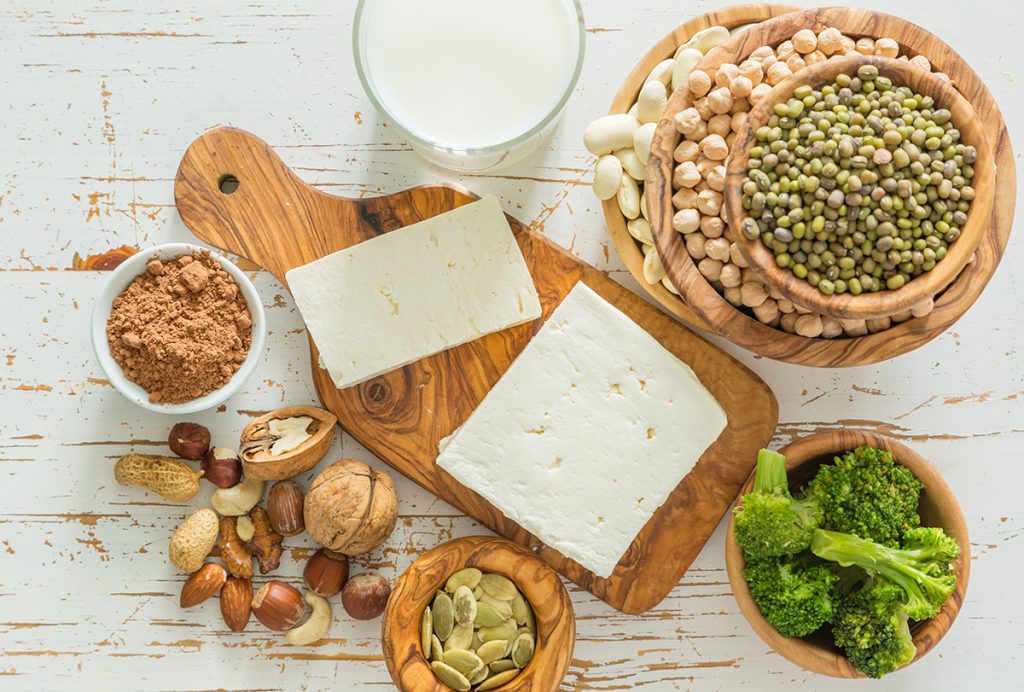
Proteins, along with carbohydrates and fats, form the group of macronutrients necessary for the human body to function. Proteins play the most crucial role in the formation, maintenance, and repair of human cells within the body.
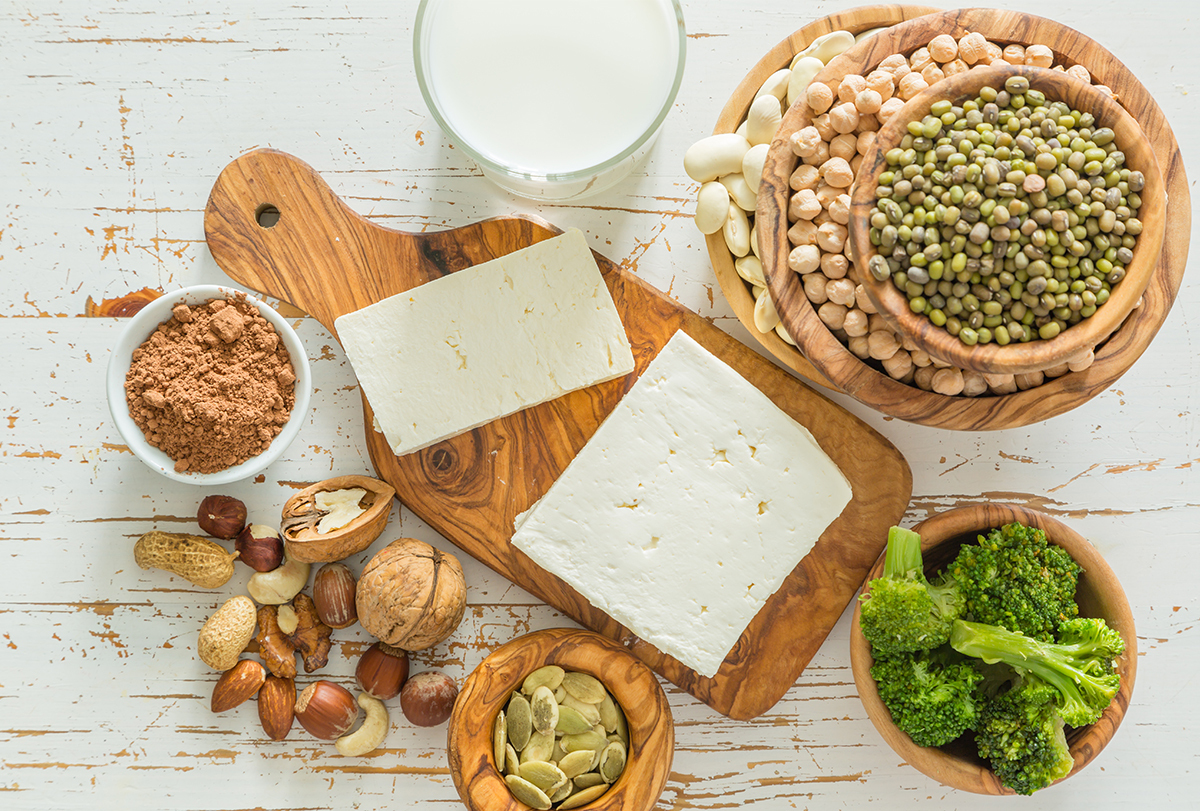

Vegetarianism is when a person abstains from eating meat or meat products. They choose plants and plant products to be their primary source of food. Many people in the world follow this pattern of eating for religious or personal reasons.
Among vegetarians, choosing the right protein options that will compensate for the lack of high-quality and bioavailable animal protein is very important to ensure all body functions proceed at the right pace.
Proteins are composed of a chain of molecules called amino acids. These are present in varying amounts and combinations in different sources and give protein-rich foods their unique amino acid profile.
Advertisements
There are 20 known amino acids in nature that are needed by the human body. Out of these, nine are essential amino acids that cannot be made by the body and must be obtained through the diet.
Six are conditionally essential amino acids as a healthy body can generate them under normal physiological conditions and become essential during states of starvation or inborn errors of metabolism. And five are nonessential amino acids as they can be produced within the body and obtained from food. (1)
When choosing plant proteins, it is important to consider the amino acid profile of the food item to ascertain the intake of the essential amino acids.
Top Vegetarian Sources of Proteins
If you are following a vegetarian diet, make sure to include these protein-rich sources in your meals.
1. Greek yogurt
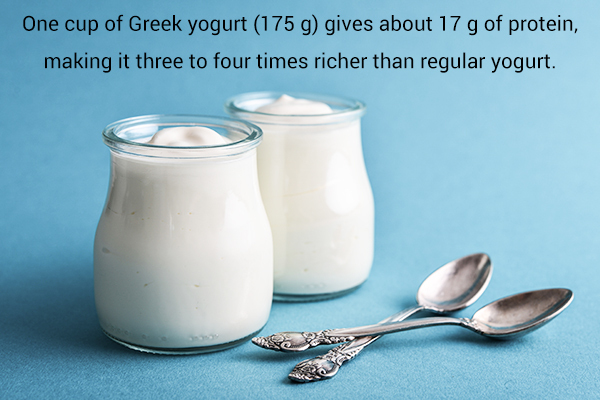

Made from milk, Greek yogurt is prepared by removing the water (containing whey) from regular yogurt. This process makes the yogurt creamy and boosts its protein content.
Greek yogurt can also be easily made at home by adding it to a thin cheese cloth and pressing it under a heavy weight to release all the water.
Advertisements
One cup of Greek yogurt (175 g) gives about 17 g of protein, making it three to four times richer than regular yogurt. (2) Moreover, Greek yogurt is rich in all nine essential amino acids, (2) making it a very effective food for vegetarians.
How to consume:
- Greek yogurt can be layered in parfaits, used as dressings for salads, or combined with fruits for a good protein-rich snack.
- Half a cup of yogurt can be had alongside meals twice a day as a good protein-rich side dish.
2. Edamame
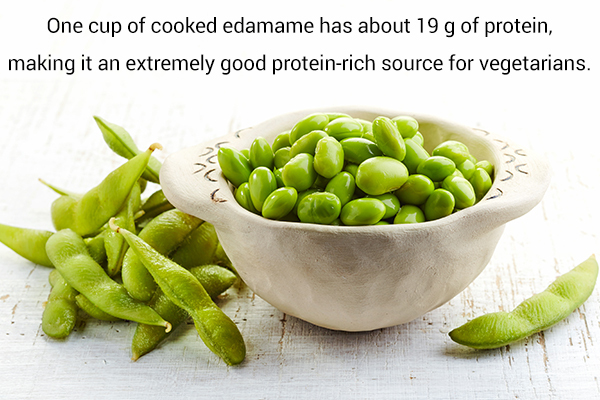
Edamame are immature soybeans that grow in green pods and often served as snacks. They have now become popular worldwide due to their high protein content and numerous benefits.
One cup of cooked edamame has about 19 g of protein, making it an extremely good protein-rich source for vegetarians. (3) This bean also has a great amino acid profile with all essential amino acids. (4)
How to consume:
- Edamame can be consumed as a side snack usually boiled and salted.
- The pods can also be roasted with salt and spices before consumption.
3. Cheese
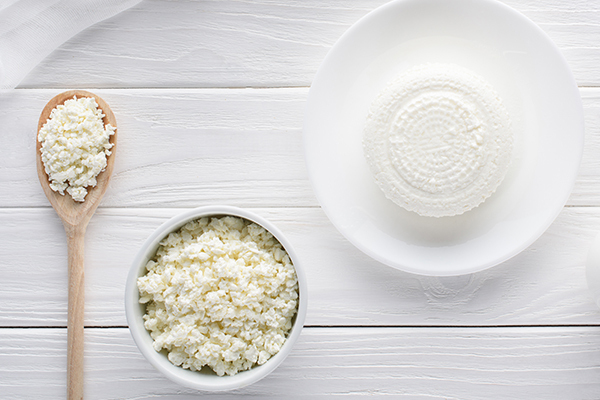
Cheese is a very favored food by all age groups. The process of cheese making produces several types of cheeses all abundantly rich in nutrients, especially protein.
A small wedge of cheese contains about 8 g of protein. Cottage cheese, a type of low-fat cheese, contains all nine essential amino acids. (5)
How to consume:
- Cottage cheese is often combined with fruits and cinnamon to make a healthy protein-rich snack.
- Other types of cheeses can also be mixed into salads, added to sandwiches and wraps, or sprinkled on top of foods.
4. Tofu
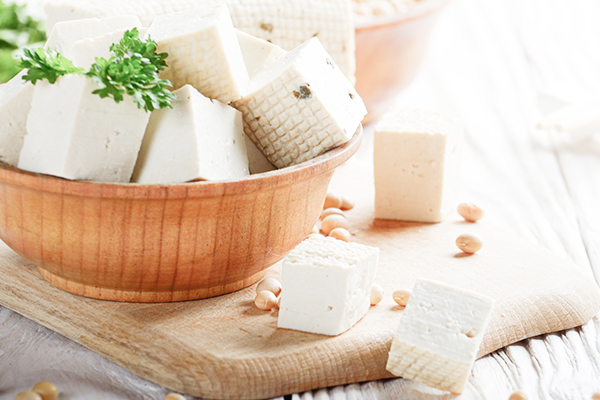
Tofu is one of the many products that are obtained from soybean. It is prepared from soy milk, by the process of curdling and then pressing the solids to extract all the water. The solid mass is then set under a heavy weight to release all the water and form its solid shape.
Advertisements
A hundred grams of tofu gives 10.3 g of protein. It is also rich in glutamic acid, aspartic acid, arginine, and leucine. (6) Moreover, tofu is extremely versatile, in that it can be used in a variety of preparations, both cooked and raw.
How to consume:
- Cut into bite-sized pieces, it can be grilled or shallow fried to top salads or mixed into pasta sauces or gravies.
- It can be shredded and used in sandwiches, wraps, and salads as a protein-rich add-on.
5. Lentils and beans
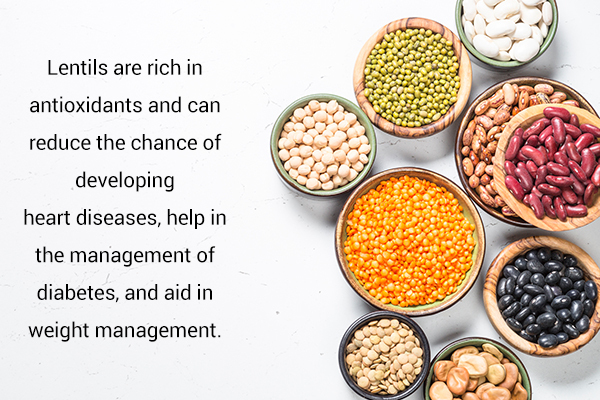
Lentils and beans form a large part of a vegetarian diet. It is a staple in many Middle Eastern and South Asian countries.
One cup of cooked lentil provides 18 g of protein, making it a great source of protein for vegetarians. (7) Different types of lentils provide different profiles of amino acids, though not complete. Oftentimes, a rice-lentil combination, usually eaten in South Asian countries, provides all essential amino acids.
In addition, lentils are rich in antioxidants and can reduce the chance of heart diseases, helps in the management of diabetes, and can also aid in weight management. (8)
Beans, on the other hand, are whole and oftentimes used with their outer skin. Kidney beans, chickpeas, and black and white beans are most commonly consumed.
Rich in fiber, potassium, phosphorus, iron, and several other nutrients, beans also offer several health benefits. (9)
Advertisements
How to consume:
- Lentils and beans are great in the form of soups in gravies.
- Combining them with rice or wheat roti (Indian flatbread) and breads are a great way to obtain the full benefit of their amino acid profile.
- They can also be boiled and added to salads or blended with fresh ingredients such as cilantro, mint, lime, oil, and salt to make dips.
6. Green peas
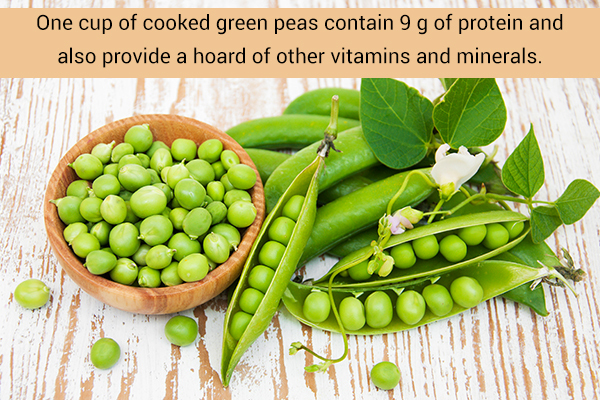
Green peas are another delicious and versatile ingredient to include in your vegetarian meals to gain adequate protein. They contain 9 g of protein in a cup of cooked peas and also provide a hoard of other vitamins and minerals. (10)
How to consume:
- They can be boiled and added to salads and pasta.
- They are a great ingredient to use in soups, by themselves or combined with other ingredients. They can also be blended with yogurt, mint, and spices to prepare a dip or sauce.
- They can be added to rice preparations by themselves or along with other vegetables.
7. Nuts and seeds
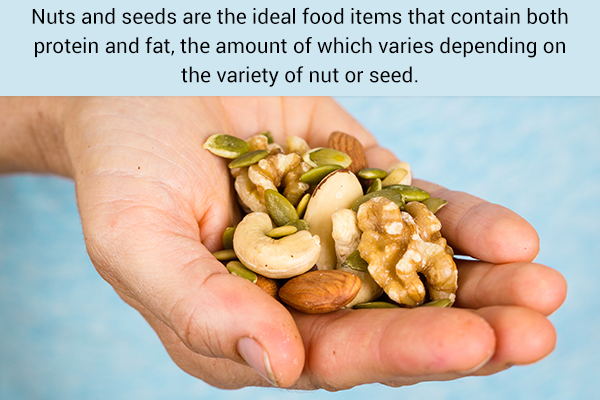
Nuts and seeds are the ideal food items that contain both protein and fat, the amount of which varies depending on the variety of nut or seed.
Apart from being powerhouses of nutrients, nuts and seeds have a cholesterol-lowering effect when consumed regularly. They also demonstrate cardioprotective properties and are extremely beneficial for people with compromised cardiovascular health. (11)
Advertisements
How to consume:
- Nuts and seeds are used in several preparations all over the world. Recently, there has been a surge in the consumption of nut and seed butter among several people irrespective of their age for its high protein content, creamy taste, and convenience. You can choose from several recipes online to make your own nut or seed butter.
- Nuts and seeds can be roasted and added to sauce preparations, used as salad toppers, or blended in gravies.
- Combined with fruits and yogurt, nuts and seeds can be had as a nutrient-rich and healthy snack.
8. Chia seeds
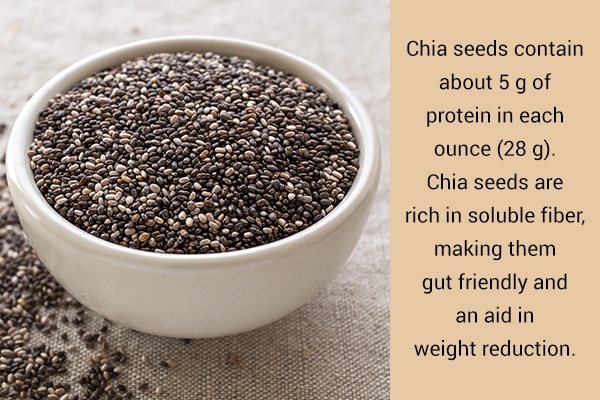
Chia seeds have gained massive popularity recently, finding their spot in the diet of celebrities and health and fitness enthusiasts. Most commonly used due to their ability to hold water and provide hydration, chia seeds contain about 5 g of protein in each ounce (28 g). (12)
Chia seeds also contain valuable omega-3 fatty acids, which are extremely sought after for their heart health benefits. They are also rich in antioxidants and polyphenolic compounds.
Moreover, chia seeds are rich in soluble fiber, making them gut friendly and an aid in weight reduction. (13)
How to consume:
- Most widely used in puddings and parfaits, chia seeds can also be used in smoothies, fruit juices, and other desserts.
- Chia seeds can be bloomed and added to drinks as well.
Daily Protein Requirements
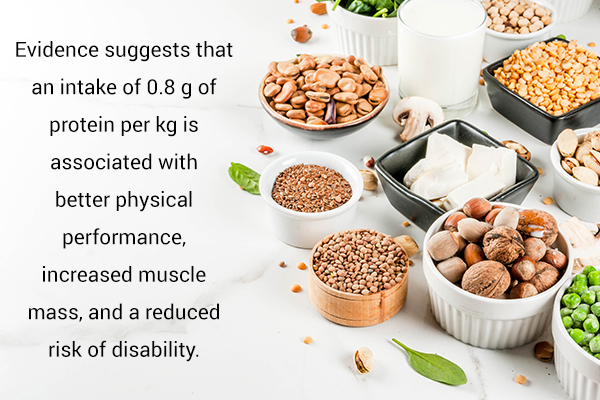
The daily protein needs of your body are highly dependent on the amount of physical activity that you do. However, evidence suggests that intakes of up to 0.8g/kg of body weight each day are associated with better physical performance, increased muscle mass, and a reduced risk of disability. (14)
Precautions to Consider
When consuming vegetarian sources of protein, keep these things in mind:
- Since vegetarian sources of protein are not all complete in their essential amino acid profile and generally have a varying composition, it is important to include a wide variety of these sources to gain the needed benefits and make the vegetarian diet more wholesome.
- It is also advisable not to overconsume some ingredients mentioned in this article – chia seeds, nuts, and seeds are generally eaten in smaller quantities in one go as overeating them may cause frequent bowel movements and an accumulation of fat in the body.
- If you have allergies, be extremely careful when consuming nuts and seeds as they are common allergens. Always consult a physician before including anything new in your diet.
Most-Asked Questions About Vegetarian Protein Sources
How many times a day can I eat these vegetarian protein sources?
If your diet is holistic and includes a variety of food sources, it is better to stick to one or two servings of each item in a day. Due to their fiber content, more servings may cause gastrointestinal distress.
What are some affordable protein sources?
Lentils, beans, and green peas are generally affordable and safe to consume with regard to allergies. Greek yogurt is widely sold in most grocery stores along with cheese, although some types of cheese may be a little expensive.
If you live close to an Asian supermarket, tofu and tempeh are also easily available affordable sources.
Final Word
Several people all over the world choose to follow a vegetarian eating pattern for religious or personal reasons. The key to getting all the benefits from these ingredients is to combine them and include a wide variety so that all essential amino acids needed by the body are obtained.
Several ingredients are being studied nowadays for their nutrient profile and efficiency as protein sources for vegetarians. Finally, several recipes online provide delicious and nutritious ways to prepare and consume these ingredients both for adults and children.