

A slim and healthy body is usually a sign of healthy metabolism. Your ideal body weight depends on your height, age, and overall build. Body mass index (BMI) is the formula used to determine if a person’s weight is appropriate for their height. (1)


Your caloric intake and activity level directly influence how efficiently your body uses energy or stores that energy — as fat — for later use. An assessment of body fat percentage indicates how well or how poorly you are making choices for your body’s energy needs.
An acceptable body fat percentage for an adult female can range between 25% and 31%, with a percentage above 31 considered to be obese. An acceptable body fat percentage for an adult male can range between 18% and 25%, with a percentage above 25 considered to be obese. (2)
Tips to Stay Slim and Healthy
Here are some dietary and lifestyle measures that can help you achieve and maintain a slim and healthy physique.
Advertisements
1. Stop eating at 80% full
There are three macronutrients that every diet should include, namely, protein, carbohydrates, and lipids (fat).
- Protein functions to build and repair structures and tissues of the body.
- Carbohydrates are generally classified as sugars, starches, and fiber; they are the chief source of energy. (3)
- Lipids have the highest concentration of energy in the diet and are involved in a multitude of functions, such as maintaining cellular membrane integrity, acting as precursors to hormones, (4) and insulating the body.
In order to eat until you are 80% full (hopefully a meal that consists of a cross-section of all three macronutrients), keep in mind that your goal is to eat until you feel satisfied, not until you feel full.
Here are some ways to exercise mindful, healthy eating:
- It is also important to completely chew and swallow one bite before taking another bite. Taking more time between each bite allows your body time to register how much food you have actually eaten.
- People who skip meals or maintain long intervals between meals often end up overeating at their next sitting. So, it’s best to have several small healthy meals rather than just the three large meals a day. Eating fruits, salads, and healthy nuts between the three main meals is one of the easiest ways for appetite control. These foods are rich in fiber (but minimal calories) that make you full quickly and keep you full for longer so that you don’t end up overeating at your next meal.
- Consider seeking out substitutions for those foods you may crave but are not very healthful. For example, if you find that you eat too many candy bars, explore protein bar options.
2. Identify your hunger


It is important to identify your motivation for eating. Are you eating because you are hungry? Or are you eating for comfort or out of boredom?
Thinking of food as fuel, or even as medicine, can help you reason through your true motivation for eating a particular meal or snack.
Here’s what you can do:
Advertisements
- Sometimes, you may eat for the comfort that food gives you, such as when you’ve had a bad day or an argument with a loved one. This is when it would benefit you much more if you were to go for a walk or a run or go to the gym for a short workout.
- Other times you may find yourself eating just to occupy your time. If you find yourself eating out of boredom, it can help to plan meals ahead of time — not only what you eat throughout the day but when you eat throughout the day.
3. Eat a healthy breakfast
Breakfast means “breaking a fast” since it’s your first meal after a prolonged period of not eating. A healthy breakfast not only gives you the energy to perform your morning tasks but also keeps your body active throughout the day.
Skipping breakfast will have the opposite effect and keep you lethargic throughout the day. A tired body, in turn, will remain less active and expend less energy during the day, which increases the risk for weight gain and obesity. (5)
So, breakfast essentially preps your body and sets the tone for your entire day. Plus, if you go without breakfast, you are more likely to binge at your next meal.
The idea is to start your day with a nutritious breakfast that is rich in fiber and protein, both of which satisfy your appetite quickly, even in small portions and without adding to your calorie load.
Carbs give you instant but short-lived satiety as they get digested quickly, after which you start to feel hungry again.
Proteins and fibers, on the other hand, get digested much more slowly, thus keeping you full for longer. Therefore, adding these to your breakfast can help suppress your overall appetite without starving yourself, thereby contributing to a healthy weight loss. (6)
Advertisements
To prepare a healthy breakfast:
- Get your dose of protein from eggs, seafood, cottage cheese, legumes, soy products, nuts, and seeds.
- Consider using organic and whole-food ingredients in your cooking to get your recommended fill of dietary fiber.
4. Watch your portion sizes
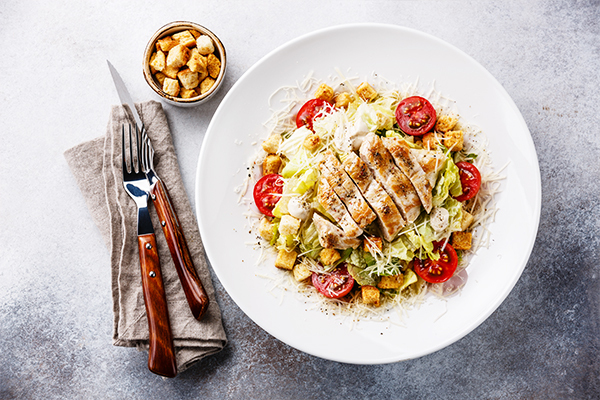
Too much of even the healthiest foods can ruin your chances of reaching your ideal weight. So, you have to watch not only what you eat but also how much you eat.
Here are some tips for portion control to become slim and fit:
- Eat your food or snacks in small dishes.
- When eating out, try sharing your meal or saving some of it to take home.
5. Stay hydrated
Drink an 8 oz. (~236 mL) glass of water with every meal. (7)
As people’s lives become more hectic, it is easy to forget about the human body’s need for water. Lack of proper hydration can adversely affect your metabolism and can also make you foggy.
Aside from water, here are a few other healthy fluid choices to try:
Advertisements
- Consume detox drinks such as cranberry juice, which help keep your urinary tract healthy by “cleaning out” any infections. Plus, it is an excellent source of vitamin C, which helps prevent free radicals from damaging the body on a cellular level. Daily dosages of 240–300 ml of cranberry juice can prevent 50% of recurrences of UTIs. (8)
- Switch from sodas to healthier options such as smoothies or perhaps carbonated water with a splash of freshly squeezed juice if you crave the fizzy taste.
6. Get off the couch and get moving

Physical exercise is important for a healthy heart and a healthy metabolism, which maintains a slim and healthy body.
The average adult should get 30–60 minutes of exercise on at least 4 days per week. (9) This can take the form of walking, running, working out in the gym, yoga, or an exercise class.
Besides getting your regular exercise, try to lead a more active life in general. Small changes in your daily life, such as taking the stairs instead of the elevator, can be really helpful.
Advertisements
7. Get proper sleep
Insufficient sleep raises the risk of obesity and weight gain. (10) Therefore, sleep is as essential to human health as food, water, and exercise. It allows your mind and body to repair or recuperate itself so that it is ready for the next day.
Conversely, sleep deprivation can drain out your body and disrupt your mental functioning.
According to the National Institute of Health – National Institute of Neurological Disorders and Stroke, your brain needs to be well-rested to properly form and maintain neural pathways that enable learning and memory formation.
Plus, people who don’t get enough sleep find it more difficult to focus and respond quickly. Recent studies have also suggested that the toxins that accumulate within the brain during the waking hours get cleared out while you sleep. (11)
For a good night’s sleep:
- Have a set time to go to sleep every night.
- Avoid screen time (phone, tablet, television) 1 hour before bedtime. (12)
- Do not drink coffee after 5 pm.
- Complete your exercise at least 2 hours before bedtime.
General Queries
How do I calculate my BMI?
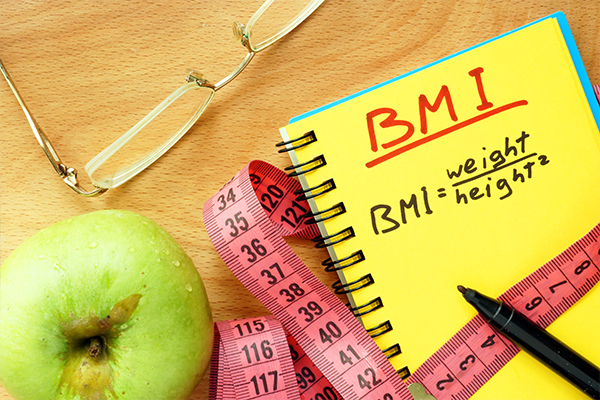
To find your BMI, divide your body weight (in kilograms) by your height (in m2). (13) For example, someone who weighs 91 kg and has a height of 3.16 m2 could find their BMI in the following way: kg/m2 = 91/3.16 = 28.79 BMI.
The following are BMI classifications for determining the level of metabolic health:
- Underweight: <18.5
- Healthy: 18.5–24.9
- Mildly overweight: 25–29.9
- Moderately overweight: 30–35
- Obese: 35.1–40
- Extremely obese: >40 (12)
Note: In the average person, obesity-related health problem increases when BMI exceeds 25, regardless of age or gender. (12) However, keep in mind that if you have an extraordinarily significant amount of muscle mass (such as a high-level athlete), a BMI measurement may be skewed.
What do you mean by calorie in versus calorie out?
Energy is measured in calories, wherein “calories in” implies the energy you derive from the food you consume, whereas “calories out” refers to the energy your body uses or expends (14) to perform its basic life-sustaining functions such as respiration, sleeping, digestion, and every other activity.

The concept of “calories in and calories out” is:
- Lose weight = Lower caloric intake and higher caloric expenditure
If you regularly eat fewer calories than you expend, then you are likely to lose excess body fat. - Maintain weight = Caloric intake and caloric expenditure are balanced
If you regularly eat an equal amount of calories to what you expend, you maintain your weight. - Gain weight = High caloric intake and lower caloric expenditure
If you regularly eat more calories than you expend, you are likely to gain weight in the form of fat.
Final Word
If you wish to lose weight without compromising your nutrition or overall health, adopt a holistic approach that includes dietary control, exercise, and healthy lifestyle changes.
Plus, be consistent with your efforts not just until you reach your weight goals but afterward as well to maintain the results. Don’t look for shortcuts or quick results if you want sustainable results.