
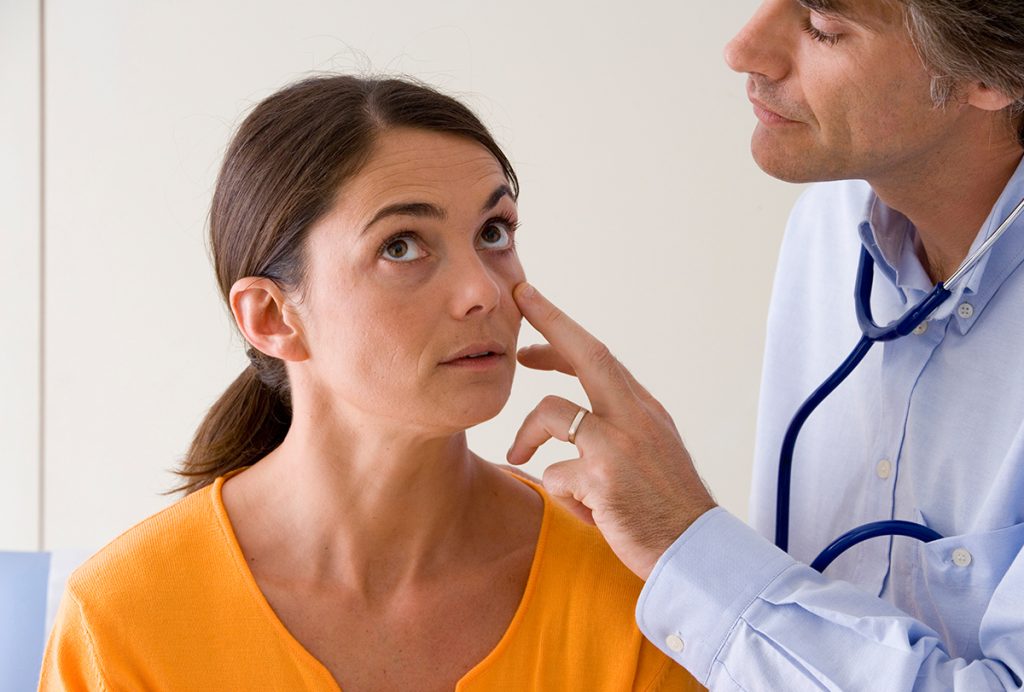
Iron deficiency occurs when the body’s normal stores of iron are low. (1) This can occur because of not enough iron in a person’s normal diet, the body having difficulty using or absorbing iron, or the body losing too much iron, usually through blood loss.


Normally, the body stores a supply of iron to make new hemoglobin protein for red blood cells (RBCs), (2) plus some extra iron for the future.
A deficiency of this vital nutrient can impede a lot of key body functions, most importantly the production of hemoglobin and RBCs.
This article will discuss everything you need to know about iron deficiency and how to overcome it.
Advertisements
Common Signs and Symptoms of Iron Deficiency
Iron deficiency is characterized by the following symptoms:


1. Fatigue and tiredness
Many people with iron deficiency report a sense of low energy in their body that does not improve with sleep. (3) This low energy can sometimes interfere with the desire to perform daily activities.
2. Shortness of breath
People with low iron levels, particularly low enough to cause anemia, may notice difficulty getting enough oxygen, also sometimes described as “air hunger.” (4) Depending upon the severity, this may only occur with exercise but sometimes can be present at rest.
3. Pale skin
People with low iron levels may appear to have a more pale skin color (5) than normal and sometimes even develop a greenish skin tone.
4. Brittle nails
Fingernails and toenails may become fragile and easily damaged by everyday activities, including chips and cracks. (6)
5. Hair loss
People with low iron levels may lose more hair than normal at one time, usually evenly distributed on the scalp, which can give the appearance of thinning hair overall, rather than patches of baldness that can occur with other conditions. (7)
Advertisements
6. Craving non-food substances
People with significant iron deficiency commonly report craving ice and other non-foods, including clay or dirt. (8) They are often very disturbed by this craving and at a loss to explain it.
One theory that may explain this is that soil and clays may contain elemental iron, and thus in states of significant iron deficiency, people might be able to obtain the needed iron from these sources if food sources were not available, such as during times of famine.
Regardless, if you notice a new craving for ice or non-foods, be sure to report this to your healthcare professional.
7. Increased sensitivity to cold
Some people with anemia report feeling more cold in their body, particularly in their hands and feet. (9) This is thought to occur due to circulation changes that may occur in anemia and the body’s desire to deliver more oxygen to the organs compared to the hands and feet.
8. Frequent headaches
Low iron levels and iron-deficiency anemia are both associated with certain kinds of headaches, including migraines in women of reproductive age. (10)
The exact reasons for this are as of yet unclear, but it may include both the indirect effects of low RBCs in circulation and more direct effects of iron itself on the brain, including iron’s role in the synthesis of some neurotransmitters, such as dopamine and serotonin.
Advertisements
Ongoing research is attempting to look at the role of iron in headaches more closely.
9. Depression
Studies have shown that people experiencing iron deficiency and iron-deficiency anemia are more at risk for depression. (11)
Iron is a component of normal brain function, both directly on the tissues of the brain and in the creation of the chemical signals, the neurotransmitter hormones.
10. Restless leg syndrome
People with low iron levels may commonly report uncomfortable, cramping sensations in their legs, particularly at nighttime, that may even interfere with sleep. (12) Fortunately, this condition tends to subside once normal iron levels are restored.
Other symptoms
Iron is critical for the overall function of the body from a very young age. Babies with iron deficiency may have poor growth and delayed development of normal age-related milestones.
Children and adults with low iron levels and anemia may seem to have lost their “spark,” be more tired, be less motivated, and struggle with day-to-day activities. If these changes occur, screening for iron deficiency is an important early step.
Advertisements
What Is the Function of Iron?
Iron is a key nutrient component of hemoglobin protein in RBCs. It is this hemoglobin protein that is single-handedly responsible for carrying oxygen from the lungs to the rest of the body.
A lack of iron in the body, therefore, results in reduced production of hemoglobin and RBCs, leading to iron-deficiency anemia, which has emerged as the leading blood disorder in the United States.
Iron is also used by the body to make myoglobin protein for muscles. (13) Myoglobin helps the muscles to properly utilize oxygen as energy. Iron is also an important nutrient for growth during childhood and other normal body processes throughout life. (14)
Advertisements
Major Causes of Iron Deficiency

Iron deficiency, or low iron levels, occurs because the body does not receive enough iron, cannot use the iron it has, or is losing too much iron.
- Intake-related deficiency occurs when the diet does not include enough iron to keep up with the body’s needs. Groups at higher risk for this include infants, picky eaters of all ages, vegetarians, teenagers, menstruating women, pregnant women, and people who struggle with food insecurity at all ages. Meat sources of iron are most potent, and thus people with little to no intake of meat have higher dietary needs because vegetarian sources are less well-absorbed by the body. (15)
- People’s bodies may also have difficulty absorbing or using the iron that the body receives. This includes people with certain gastrointestinal conditions, such as Crohn’s or celiac disease; people who have had intestinal surgeries, including gastric bypass procedures; and people with high levels of inflammation. The problem may occur because the gut cannot absorb and move the iron into the body or because inflammation in the body “locks” up the iron so that the body cannot use it (this is called “anemia of chronic disease”).
- Some people may have difficulty holding onto iron to store and use it. This occurs in women who are menstruating, particularly if their monthly blood (and thus iron) loss is greater than the amount of iron in their diet. (16) It also occurs in people with bleeding from the gastrointestinal tract, such as people with inflammatory bowel disease (Crohn’s disease or ulcerative colitis), polyps that bleed slowly in the colon (usually without visible blood in the stool), and some kinds of cancers.
Best Ways to Treat Iron Deficiency
Iron deficiency is typically treated through the following interventions:

- For most people with iron deficiency, the best way to get more iron into your body is to eat it in iron-rich foods. Although meat and animal sources tend to be the more efficient way to get iron into your body, non-animal-based sources, including dark leafy green vegetables, beans, nuts, and iron-fortified grains and cereals are all good sources of iron. (17)
- Some people with significant iron deficiency or iron-deficiency anemia will need to take an oral iron supplement, usually recommended by their healthcare provider. This intervention is usually very effective at improving your iron levels but can cause constipation and nausea as side effects.
- When it comes to iron supplementation, the dosage is very important as taking too much can lead to excessive iron in the body, which has harmful consequences. Thus, you must consult a doctor before starting an iron supplement as they will recommend the proper dosage according to your body needs.
- Less commonly, some people will need an IV iron infusion. This is something arranged by your healthcare provider and requires placement of an intravenous catheter in your vein. (18) This is an effective way to give a large amount of iron quickly. Some downsides of this intervention in some people include allergic reactions to the infusion and flu-like symptoms for several days afterward, including body aches, fatigue, and chills.
Connection Between Iron Deficiency and Vitamin C Deficiency
Your body needs vitamin C to absorb some kinds of iron properly. So, low vitamin C levels can make it difficult for the body to absorb iron, thereby leading to low iron levels.
It is rare for people in the United States to have vitamin C deficiency, but people who don’t eat fruits and vegetables regularly may have more difficulty absorbing iron because of low vitamin C levels. (19)
If your healthcare provider recommends an iron supplement for you, they may ask you to take it with a meal containing fruits and vegetables or with a vitamin C supplement.

Final Word
People with iron deficiency commonly report low energy, leg cramps, and struggling with daily activities due to fatigue and low mood. Thankfully, low iron levels can be diagnosed with simple blood tests, and for most people, increasing iron-rich foods in the diet will help them to feel better quickly.
Iron deficiency in infants and young children can cause growth and neurodevelopment delays, and thus introducing iron-containing solids early in life is important.
Because iron is involved in oxygen delivery to the organs and muscles throughout the body, as well as with the normal growth and function of most of our body systems, it is considered an essential nutrient for daily life. (20)