
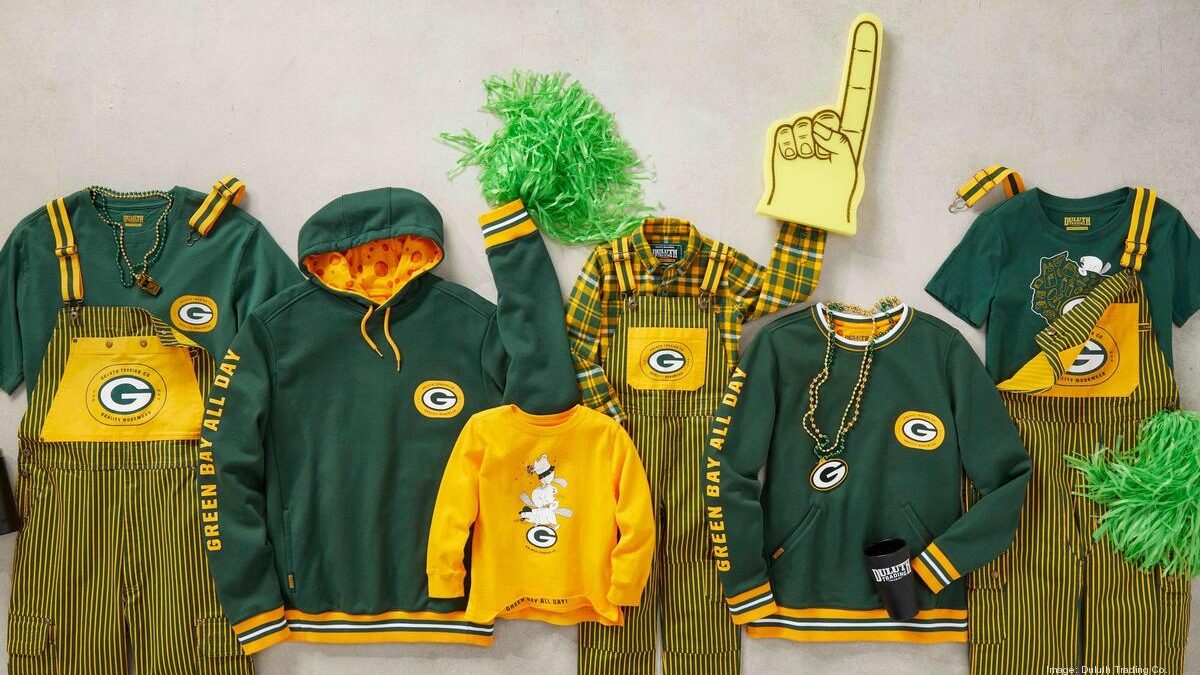

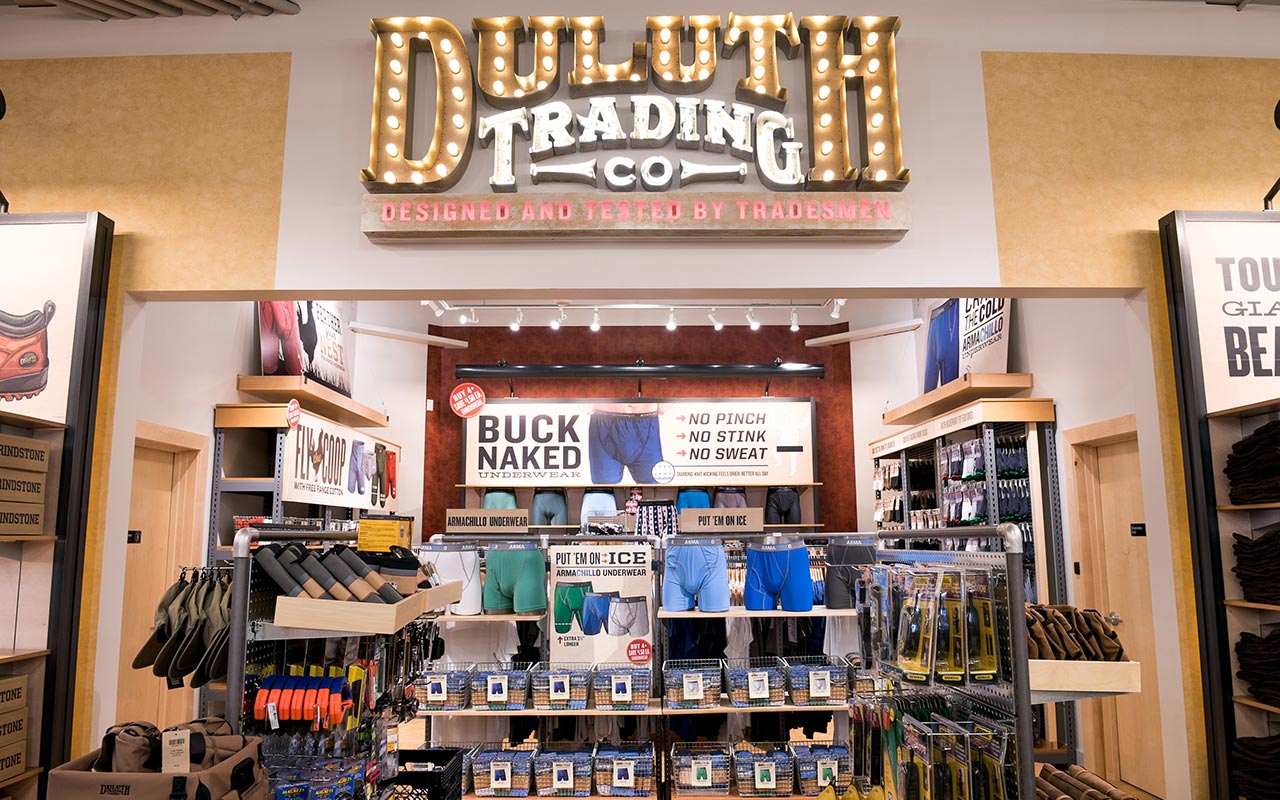
In the hyper-competitive arena of apparel retail, where trends shift with algorithmic speed and marketing often supersedes material substance, Duluth Trading Company has carved out a formidable and seemingly counter-cultural fortress. Its success is not predicated on fleeting fashion cycles or celebrity endorsements, but on a foundational, almost stubborn commitment to solving tangible, often overlooked problems for a specific consumer: the individual whose daily life demands physical durability, unpretentious comfort, and unassailable practicality. This analysis delves beyond product specifications to examine the strategic architecture of Duluth Trading—a blueprint that has transformed it from a catalog-based purveyor of work solutions into a vertically integrated, digitally savvy, and fiercely loyal community brand. As we project its trajectory into 2026, Duluth Trading stands as a compelling case study in how deep customer empathy, product-centric innovation, and a culture of “over-engineering” can build a resilient, multi-channel business in a market saturated with compromise.
I. Foundational Philosophy: The “Problem-First” Design Doctrine
At the core of Duluth Trading’s identity is a design philosophy that inverts the typical apparel development process. Instead of beginning with a aesthetic trend or fabric novelty, the brand starts with a well-defined, real-world problem frequently voiced (or unvoiced) by its core demographic.
-
Anthropological Insight Over Market Research: The brand’s most iconic innovations read like a list of solved grievances: the Longtail T (solves the issue of shirts riding up during manual labor), Ballroom Jeans (addresses restricted movement and crotch blowouts with a hidden gusset), Buck Naked Underwear (engineers moisture-wicking and chafe-free comfort), and the seminal Fire Hose Pants (reimagines workwear durability with a canvas inspired by actual fire hose material). Each product is a direct response to a functional failure in existing clothing. This “problem-first” approach creates an immediate and powerful value proposition that transcends subjective style, anchoring purchases in utility and relief.
-
The Language of Solution-Based Marketing: This philosophy permeates its marketing. Product names and descriptions are not abstract or aspirational; they are declarative and benefit-driven. A customer isn’t just buying pants; they are investing in “Fire Hose” durability or “Ballroom” mobility. This clear, benefit-oriented communication cuts through clutter, speaking directly to the pragmatism of its target audience—tradespeople, farmers, outdoor enthusiasts, and DIYers who value performance over pretense.
II. Product Strategy: The “Over-Engineered” Value Proposition
Duluth Trading’s product portfolio is a masterclass in targeted “over-engineering.” It operates on the principle that if a garment is designed to survive the most demanding 1% of use-cases, it will effortlessly excel in the remaining 99%.
-
Material Science and Construction as Brand Hallmarks: The brand’s reputation is built on tangible, demonstrable quality. This involves:
-
Proprietary Fabric Development: Innovations like Fire Hose canvas (initially cotton, now also in a flexible stretch variant), Armachillo cooling technology, and Dry on the Fly performance fabrics are not just marketing terms but patented or specially engineered material solutions.
-
Reinforced Construction: Features like triple-stitched seams, bar-tacking at stress points, and gusseted designs are not cost-saving afterthoughts but foundational design elements. This construction ethos directly feeds the durability promise, justifying a premium price point through extended product lifespan and reduced cost-per-wear.
-
-
Inclusive Sizing and Fit as a Strategic Market Expansion: While many brands cater to a narrow “ideal” body type, Duluth Trading strategically embraces inclusivity. Its extensive Big, Tall, and plus-size offerings are not a sidelined category but an integrated part of its inventory. This serves a dual purpose: it fulfills a genuine market need often ignored by mainstream outdoor and workwear brands, and it fosters immense loyalty from a customer base that finally finds reliable, well-fitting options. For 2026, this focus on universal fit is both a moral and commercial imperative, expanding the total addressable market.
-
Gender-Specific Engineering: The brand understands that designing for women is not merely about scaling down men’s patterns. Lines like NamaStash and NoGa pants for women incorporate tailored fits, strategically placed pockets for female proportions, and style considerations that maintain the core durability promise while acknowledging different anatomical and aesthetic needs.
III. Market Positioning: Occupying the “Pragmatic Premium” Niche
Duluth Trading has successfully defined and dominates a unique market segment—what can be termed the “Pragmatic Premium” niche. It exists in a strategic space between several competing paradigms:
-
vs. Heritage Workwear (Carhartt, Dickies): While sharing a focus on durability, Duluth differentiates through superior comfort innovations (gussets, performance fabrics), more thoughtful design features (organized tool pockets, discreet phone slots), and a broader lifestyle appeal. It is workwear evolved for a modern, more mobile workforce.
-
vs. Performance Outdoor Brands (Patagonia, The North Face): Duluth Trading cedes the high-altitude, technical athletic space to focus on rugged, everyday outdoor performance—gardening, camping, hiking, fishing. Its aesthetic is less “alpine sleek” and more “frontier functional,” with a greater emphasis on brute-force durability over ultralight minimalism.
-
vs. Fast Fashion & Mass-Market Apparel: There is no comparison. Duluth Trading competes on a completely different axis: lifetime value versus disposable trend. Its higher price point is a filter, attracting customers who make calculated, long-term investments in their wardrobe.
This clear positioning allows Duluth to avoid direct, price-based wars. Its competition is not on a spreadsheet of features, but on a deeper belief system about what clothing should do for the wearer.
IV. The Business Model: Vertical Integration and Community-Driven Commerce
The brand’s operational model is designed to reinforce its quality and customer-centric promises.
-
The “No Bull Guarantee” as a Strategic Asset: This is not merely a return policy; it is the cornerstone of brand trust and a powerful risk-reversal tool for the customer. By offering a lifetime guarantee on durability and satisfaction, Duluth Trading aligns its incentives perfectly with the customer’s. It signals an unwavering belief in its own products’ longevity. This guarantee reduces purchase anxiety for high-ticket items and transforms customer service from a cost center into a brand-building, loyalty-forging touchpoint.
-
Omnichannel Synergy: Duluth Trading seamlessly integrates its strong physical retail presence (experiential stores that often feature working water pumps to test rain gear) with a robust e-commerce platform and its legacy catalog business. Each channel serves a purpose: catalogs drive discovery among its traditional demographic, e-commerce offers convenience and breadth, and physical stores provide tactile verification of quality and fit. Data flows across these channels, creating a unified view of the customer.
-
Building the “Duluth Nation”: Through its catalogs, email marketing, and social media, the brand cultivates a community identity. Its marketing features real customers in real scenarios, not professional models in staged shoots. This fosters a sense of belonging to a “club” of practical, no-nonsense people who appreciate things that work. User-generated content and testimonials are prominently featured, leveraging authentic peer validation.

V. Financial and Strategic Considerations: The Durability Economy
The brand’s value proposition has significant financial implications for both the company and its customers.
-
The Customer’s Cost-Per-Wear (CPW) Calculus: A pair of $75 Fire Hose Pants that last for five years of daily wear has a dramatically lower CPW than multiple pairs of $30 pants that wear out annually. Duluth Trading effectively sells this math, appealing to economically rational consumers who view apparel as a capital investment rather than a consumable. This is increasingly resonant in 2026, amidst growing awareness of sustainable consumption and economic uncertainty.
-
Premium Pricing and Margin Structure: The “over-engineered” product strategy supports a premium price architecture, which in turn funds the quality materials, robust construction, and superior customer service (including the guarantee). This creates a virtuous cycle: higher prices enable higher quality, which justifies the prices and builds brand equity, attracting customers willing to pay for that value.
-
Challenges in Growth and Perception: The strategic challenges moving into 2026 include:
-
Expanding the Demographic: How does the brand attract younger consumers who may not yet prioritize lifetime durability, without diluting its core functional identity?
-
Style Evolution: Maintaining its rugged aesthetic while subtly integrating more contemporary fits and colors to stay relevant without alienating the traditional base.
-
Sustainability Integration: While durability is inherently sustainable, there is growing pressure for transparency in material sourcing, carbon footprint, and circularity (e.g., repair programs, end-of-life recycling). Articulating and advancing a comprehensive sustainability narrative will be crucial.
-
Conclusion: The Enduring Logic of Substance Over Style
Duluth Trading Company’s sustained success offers a powerful antidote to the dominant narratives of disposable fashion and influencer-driven hype. It proves that a deep, almost obsessive focus on solving real problems for a well-defined community is not a limiting strategy, but a liberating one. By building its brand on the unshakeable pillars of demonstrable durability, practical innovation, and unconditional trust (the “No Bull Guarantee”), it has created a business with exceptional customer loyalty, strong margins, and defensive competitive moats.
As the retail landscape continues its digital and demographic shifts heading into 2026, Duluth Trading’s greatest strength may be its steadfast consistency. In a world of constant change, it offers the rare promise of something that simply, reliably works. The brand’s future growth will hinge on its ability to leverage its formidable operational and cultural foundation—maintaining its core integrity while thoughtfully extending its problem-solving philosophy to new product categories, consumer segments, and sustainability challenges. In doing so, Duluth Trading will continue to demonstrate that in the long run, the most compelling brand story is not the one that is told, but the one that is worn, tested, and proven, day after demanding day.