



Introduction: The Weight of Word-of-Mouth in the Digital Marketplace
In contemporary commerce, the question “Does your shopping experience matter?” has evolved from a subjective consideration to a quantifiable metric central to a brand’s survival. For consumers navigating the vast retail landscape, the aggregated voice of previous customers—crystallized in online reviews—serves as an indispensable compass, guiding expectations and mitigating risk. Belk, an institution woven into the fabric of Southern American shopping for over 135 years, presents a particularly compelling case study in this dynamic. A deep analysis of its customer feedback reveals a narrative of stark contrasts, where a legacy of community trust collides with the operational challenges of modern omnichannel retail. The statistics are both revealing and alarming: approximately 76% of aggregated reviews award Belk the lowest possible rating of 1 star. This overwhelming negative skew points to profound, systemic issues in service, fulfillment, and quality assurance. Yet, shining through this sea of dissatisfaction are consistent threads of praise for product variety, promotional value, and in-store hospitality. This dichotomy does not merely represent random consumer variance; it delineates the precise battleground upon which Belk’s future relevance will be decided. For the discerning shopper, whether a lifelong patron or a curious newcomer, understanding this complex tapestry of feedback is not just helpful—it is essential for making empowered and prudent purchasing decisions.
Core Insights: Navigating the Belk Shopping Ecosystem
-
The Imperative of Informed Consumption: In Belk’s context, customer reviews are a crucial risk-management tool. The extreme polarization of ratings—from effusive 5-star praise to scathing 1-star condemnations—signals that experiences are highly inconsistent. Prospective buyers must therefore research not just products, but also recent feedback on shipping, returns, and the reputation of specific local stores.
-
Assortment Breadth vs. Execution Depth: Belk’s fundamental strength is its extensive, department-store-style inventory spanning apparel, home goods, and beauty. This one-stop-shop convenience is a major draw. However, this very breadth appears to correlate with significant challenges in inventory management, quality control, and size standardization, particularly for online orders.
-
The Non-Negotiable Need for Promotional Literacy: To extract fair value, a customer must actively engage with Belk’s complex promotional ecosystem. Simply paying the listed price is often inadvisable. Mastery of seasonal sales cycles, digital coupons, and the intricacies of the Belk Rewards loyalty program is required to achieve competitive pricing.
-
Preemptive Vigilance on Known Pain Points: Astute shoppers must enter transactions cognizant of frequently cited failures: grossly inconsistent apparel sizing charts, a high probability of shipping delays or errors, and a customer service apparatus described by many as inaccessible and ineffective.
-
Policy Acumen as a Form of Self-Defense: A thorough, pre-purchase understanding of Belk’s return and exchange policy—including its 90-day window, receipt stipulations, and potential restocking or shipping fees—is critical. Many negative experiences stem from misunderstandings or unexpected complications in the post-purchase phase.

Part I: The Belk Entity – Legacy, Offering, and Aspirational Service
Historical Foundation and Modern Rebranding
Belk’s identity is deeply rooted in a populist, Southern ethos. Founded in 1888 in Monroe, North Carolina, by William Henry Belk, the company was built on the straightforward, powerful motto of selling “good merchandise at a low price.” This philosophy fueled a century of regional expansion, establishing Belk not merely as a store, but as a community pillar for generations. Key milestones in its family-led growth illustrate this entrenched legacy:
-
1888: William Henry Belk opens the first “New York Racket” store, emphasizing value.
-
1891: His brother, Dr. John M. Belk, joins, formalizing a partnership that accelerated growth.
-
1893-1895: Strategic expansions into Chester, S.C.; Union, S.C.; and Charlotte, N.C., cement regional dominance.
-
1952: William Henry Belk passes away, leaving a vast, family-operated retail network.
-
2004: John Belk, grandson of the founder, steps down, marking the end of an era of direct family executive leadership.
In 2010, seeking contemporary relevance, Belk underwent a significant brand revitalization aimed at capturing the “modern Southern lifestyle.” This rebrand emphasized fashion, value, and an enjoyable experience. However, the central challenge of the last decade has been aligning this polished, aspirational brand promise with the often-gritty reality of operational execution—a disconnect that forms the core of much customer criticism.
Product Portfolio: The Triple Pillars of Selection
Belk’s merchandise strategy is built on three comprehensive categories designed to serve as a full lifestyle destination:
-
Clothing and Accessories: The cornerstone of Belk’s business, offering a wide spectrum from everyday casualwear to formal attire for men, women, and children. It is in this category that Belk aims to blend affordability with current trends, though consistency in fit and quality is a major point of contention.
-
Home Goods and Décor: This segment targets the desire for comfortable, stylish living. Offering bedding, bath linens, kitchenware, and decorative accessories, Belk positions itself as a source for accessible home refreshment. Positive reviews here often cite aesthetic appeal and perceived value.
-
Beauty and Fragrance: A key traffic driver, this department features a competitive array of cosmetics, skincare, and fragrances from mass and prestige brands. Feedback in this category is often less polarized, focusing more on product authenticity and selection, though it remains subject to overarching service complaints.
The Omnichannel Service Promise and Its Discontents
Belk operates a traditional brick-and-mortar and digital model, each with distinct feedback patterns:
-
Online Shopping and Delivery: The Belk website and app, enhanced by partnerships with firms like Criteo for personalization, represent the front line of modern retail. Unfortunately, this channel is also the primary source of customer grievances, related to website glitches, inventory inaccuracies, and fundamental failures in fulfillment logistics.
-
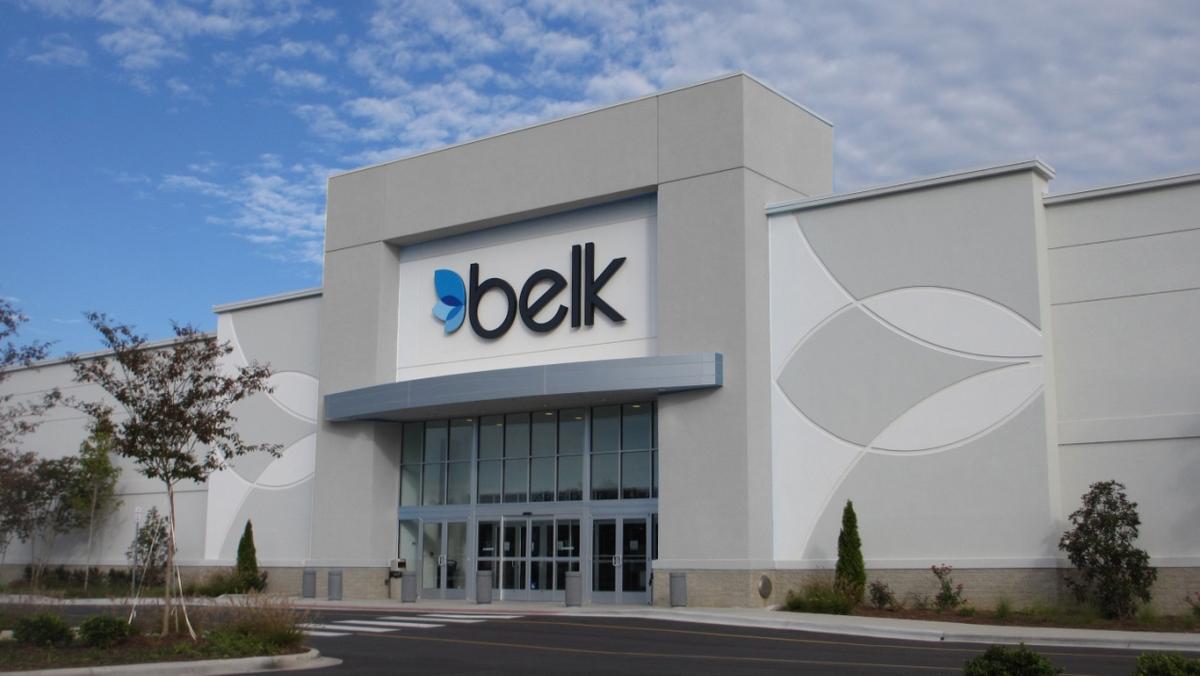
In-Store Experience: Physical locations are designed to provide a welcoming, service-oriented environment. It is here that Belk’s historical strength in interpersonal commerce most often surfaces, with positive reviews frequently highlighting helpful staff and a pleasant browsing atmosphere.
-
Customer Service Framework: Officially, Belk commits to quality service across all touchpoints. Yet, the sheer volume of complaints regarding unresponsive support channels, canceled orders without notification, and unresolved issues suggests a systemic breakdown between corporate policy and practical implementation.
Part II: The Dichotomy of Customer Experience – Praises and Grievances
The Anatomy of Positive Sentiment
Despite the torrent of negative feedback, a loyal cohort of customers champions Belk, drawn by specific, recurring virtues.
-
Value Perception in Product Quality: Satisfied customers frequently cite Belk for offering clothing that balances contemporary style with acceptable durability for the price point. In home goods, shoppers praise items that successfully marry functionality with aesthetic appeal, fulfilling a desire for affordable home enhancement.
-
The Powerful Lure of Promotions: Belk’s marketing engine is a masterclass in driving footfall and digital cart activity. Its relentless calendar of store-wide sales, holiday events, and ubiquitous digital coupons creates a potent “deal-hunting” culture. The Belk Rewards loyalty program further deepens this relationship, offering points, tiered benefits, and exclusive access, fostering a sense of community and recognized loyalty.
-
Human-Centric Service Excellence: The most heartfelt positive feedback almost invariably highlights individual employees. Stories of associates going above and beyond—whether through personalized styling advice, diligent problem-solving, or simply consistent kindness—form the emotional bedrock of customer loyalty. These interactions can create powerful local allegiances that temporarily override broader corporate frustrations.
Quantitative Snapshot of Polarization:
| Star Rating | Approx. Percentage | Primary Driver of Sentiment |
|---|---|---|
| 5-star | 14% | Exceptional in-store service; perfect product finds; highly successful deal utilization. |
| 4-star | 3% | Generally positive experience with minor, forgivable hiccups. |
| 3-star | 3% | Neutral/mixed; experienced clear positives offset by notable negatives. |
| 2-star | 5% | Disappointed; encountered significant problems with some redeeming aspect. |
| 1-star | 76% | Catastrophic failure in service, product quality, or fulfillment; often unresolved. |
The Cascade of Negativity: Systemic Failures
The negative feedback forms a coherent pattern of breakdowns across the customer journey.
-
-
Inconsistent Sizing: A plague for online apparel shoppers, with reports indicating a complete lack of standardization across and even within brands sold by Belk. This erodes trust and turns online shopping into a gamble.
-
Damaged or Used Goods: Numerous accounts cite receiving items that are stained, torn, scuffed, or clearly previously worn. This violates the basic expectation of “new” merchandise and suggests critical failures in warehouse quality control or returns processing.
Product and Inventory Deficiencies:
-
-
Logistical and Fulfillment Breakdowns:
-
Chronic Shipping Delays: Beyond standard carrier delays, many reports involve packages being lost, tracking data freezing, and delivery estimates becoming meaningless.
-
Egregious Order Inaccuracy: Customers routinely report receiving incorrect items, missing components from sets, or entirely different orders. Correcting these errors initiates a new, often more stressful, cycle of customer service engagement.
-
Inaccessible Support: Reaching a competent human being is frequently described as a Kafkaesque ordeal, involving hours on hold, automated loops, and unresponsive emails/chats.
-
Ineffective Resolution: More damaging than the difficulty of contact is the reported inability to achieve solutions. Customers narrate cycles of being transferred, given contradictory information, and ultimately abandoned with unresolved refunds, returns, or complaints.
Customer Service System Collapse:
-
Part III: Synthesis and Strategic Implications
Interpretation of Data and Emerging Patterns
The aggregated data presents an unambiguous diagnosis: Belk is failing to meet baseline customer expectations in the digital-centric retail era. The 76% 1-star rating is an extreme outlier, indicating deep systemic issues rather than normal complaint volumes. Thematic analysis reveals two parallel realities: one, a nostalgic, promotion-driven store with friendly faces; the other, a faceless corporation with broken back-end systems. The positive themes are typically experiential (a great in-store interaction), while the negative themes are overwhelmingly transactional (a failed delivery, a botched return).
Identified Strategic Pillars and Critical Vulnerabilities
-
Enduring Strengths: Belk retains formidable assets: deep regional brand recognition, an extensive physical footprint, a compelling promotional engine, and the demonstrated capacity for excellent interpersonal service at the store level.
-
Existential Vulnerabilities: The brand must urgently address:
-
Supply Chain & Fulfillment Integrity: Overhauling warehouse processes and logistics partnerships to ensure order accuracy and reliable delivery timelines.
-
Quality Assurance & Sizing Standardization: Implementing rigorous checks and providing detailed, brand-specific fit guides to restore consumer confidence, especially online.
-
Customer Service Reformation: Investing in a robust, omnichannel support infrastructure with trained, empowered agents and clear accountability and escalation paths.
-
Policy Transparency & Fairness: Simplifying and consistently applying return and refund policies to eliminate “gotcha” moments and rebuild trust.
-
Part IV: A Practical Guide for the Consumer
Weighing the Pros and Cons
-
Advantages (The “Pro” Case): Unmatched variety for one-stop shopping; consistently competitive pricing when promotions are leveraged; the tangible benefit of physical stores for try-on, immediate possession, and personal service.
-
Disadvantages (The “Con” Case): A high statistical probability of encountering logistical or quality issues; an onerous and unpredictable returns process; and a customer service system widely viewed as a last resort rather than a reliable resource.
Actionable Recommendations for Risk Mitigation
-
Favor In-Store Purchases: Whenever possible, buy in person to verify quality, ensure fit, and avoid the shipping and fulfillment lottery.
-
Document Everything: Photograph products upon unboxing, save all packaging and tags until satisfied, and maintain records of all communications.
-
Master the Promotion Schedule: Time major purchases around verified holiday sales. Always search for active coupon codes before any online checkout.
-
Pre-Validate the Return Policy: Before buying, especially online, re-read the specific return policy for the item category. Assume shipping costs may be non-refundable.
-
Manage Shipping Expectations: Never rely on standard shipping for time-sensitive needs. Use the carrier’s tracking directly, not just Belk’s order status page.
Conclusion: A Legacy at a Precipice
Belk stands at a critical juncture. It is a brand straddling two eras: its enduring identity as a beloved Southern department store and its fraught reality as a struggling participant in modern e-commerce. The overwhelming negativity in its digital footprint is not mere noise; it is a clarion call signaling profound operational distress that its legacy and promotional prowess can no longer conceal.
For the consumer, shopping at Belk therefore becomes an exercise in calculated risk management. The potential rewards—significant savings on a wide array of goods, possibly accompanied by exceptional in-person service—are real. However, the associated risks—of logistical failure, product disappointment, and a tortuous path to redress—are substantial and well-documented. The informed shopper must approach Belk with a strategy, not just a shopping list. They must leverage its strengths while meticulously guarding against its proven weaknesses.
Ultimately, Belk’s path forward hinges on its willingness to invest not in another brand campaign, but in the unglamorous, foundational work of fixing its fulfillment networks, empowering its customer service, and enforcing quality standards. Until it bridges the chasm between its cherished communal past and the demanding, system-driven present, the customer experience will remain, as the reviews so vividly attest, a stark dichotomy of promise and letdown.