
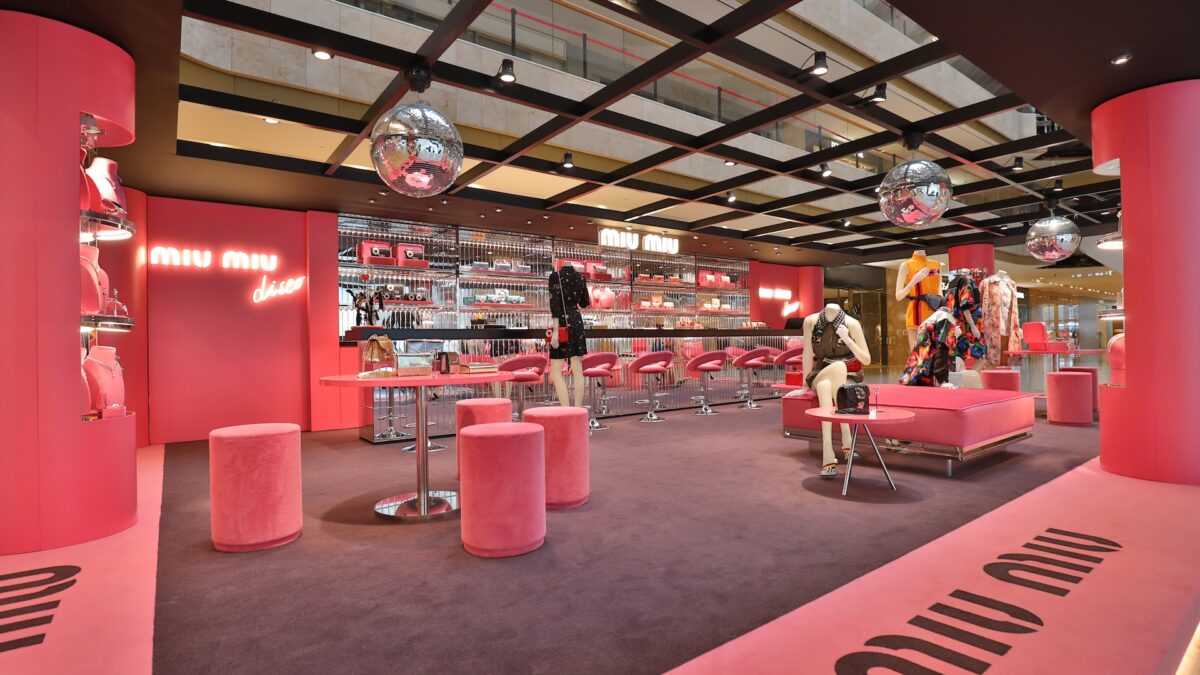

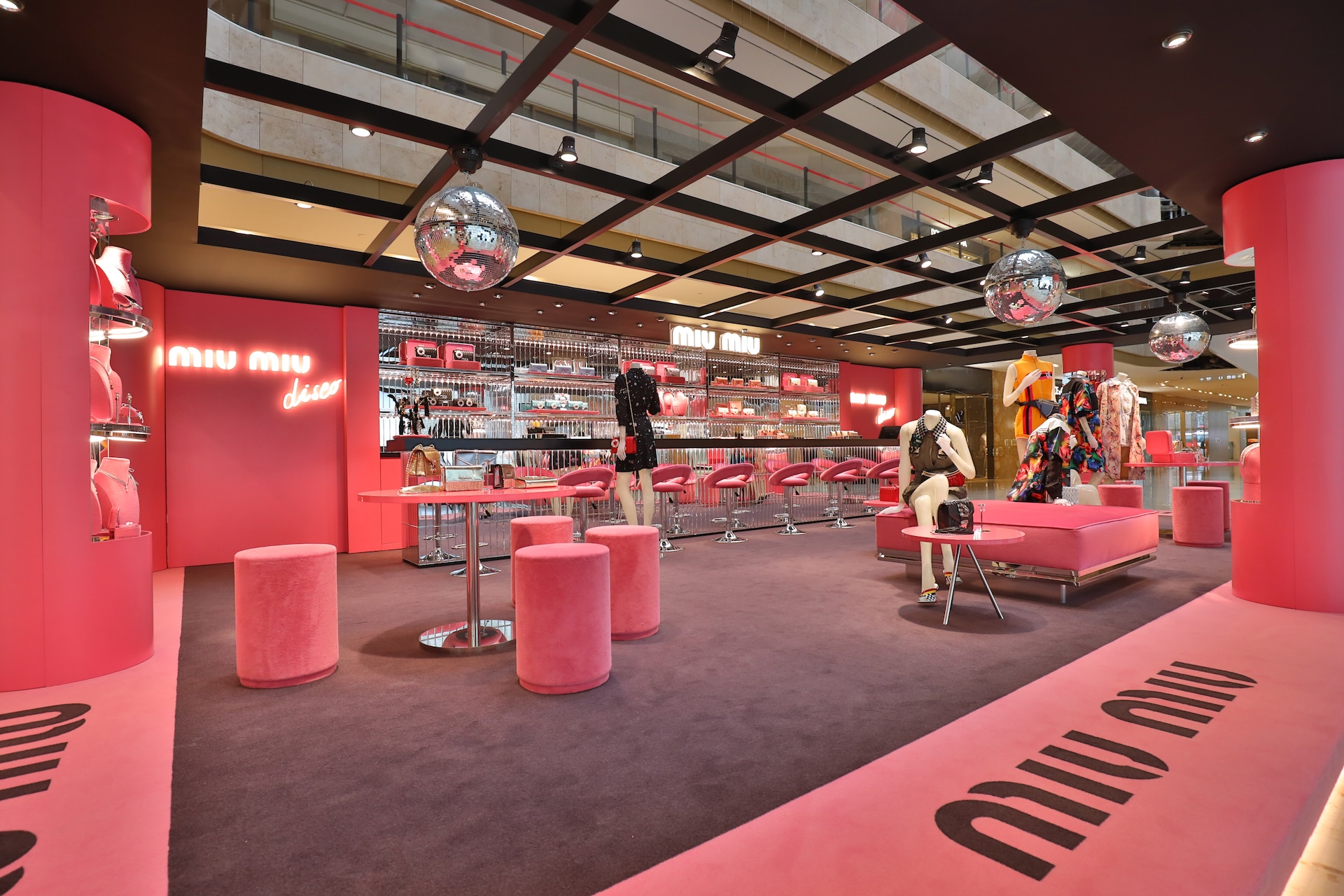
In the dynamic and often fickle landscape of luxury fashion, Miu Miu has engineered a singular position: it is the intellectual’s playground, the rebel’s uniform, and the epitome of accessible avant-garde. As we move through 2026, the brand, conceived by Miuccia Prada in 1993 as a more whimsical counterpoint to Prada’s severe intellectualism, has evolved from a youthful diffusion line into a cultural powerhouse in its own right. Its triumph in the first quarter of 2024, surpassing its parent company Prada in the Lyst Index, was not an anomaly but a validation of its potent, precisely calibrated brand identity. This analysis delves into the core philosophical and aesthetic tenets that define Miu Miu’s unique appeal and how they resonate with—and redefine—the contemporary zeitgeist of 2026, particularly regarding modern femininity, artful subversion, and the new luxury logic.
The Foundational Dialectic: Prada’s Progeny and the Birth of a Contradiction
Miu Miu’s identity is fundamentally built upon a creative and commercial dialectic with Prada. Understanding this relationship is key to decoding its success.
-
The Intentional Dichotomy: Where Prada is synonymous with austerity, minimalism, and a cool, almost intimidating intelligence, Miu Miu was born from Miuccia Prada’s desire for a space of “frivolity.” The nickname-derived brand became an outlet for the designer’s more personal, impulsive, and romantic ideas. This established a powerful binary: Prada is the thesis (rigor, control), Miu Miu is the antithesis (spontaneity, charm).
-
Beyond “Diffusion”: Miu Miu quickly transcended its initial role as a mere “little sister” or more affordable entry point. It developed its own distinct lexicon. Its inaugural collection, aptly titled “Uniforms for the Slightly Disenfranchised,” signaled its intent from the outset: to clothe the clever, slightly off-kilter individual who exists on the periphery of mainstream fashion norms. This cultivated an aura of insider cool, attracting a demographic that prized individuality over blatant status symbols.
The 2026 Design Philosophy: A New Grammar of Femininity
Miu Miu’s most significant contribution to the fashion discourse of 2026 is its radical and ongoing redefinition of femininity. It moves beyond the binary of “masculine tailoring” versus “feminine frills” to propose a third, more nuanced language.
1. The Deconstruction and Reconstruction of Form:
The Fall-Winter 2026 collection serves as a manifesto for this new approach. Traditional tailoring is not abandoned but subverted. Blazers are sliced open, exaggerated in volume, or rendered in unexpectedly soft, pliable fabrics. The focus shifts from constructing a rigid, armored silhouette to exploring the organic shape and movement of the body itself. This creates a femininity that is powerful not because it mimics masculine structures, but because it confidently occupies its own space—voluminous, irregular, and intentionally imperfect. It’s a celebration of bodily autonomy expressed through cut and cloth.
2. The Dialectic of Texture and Detail:
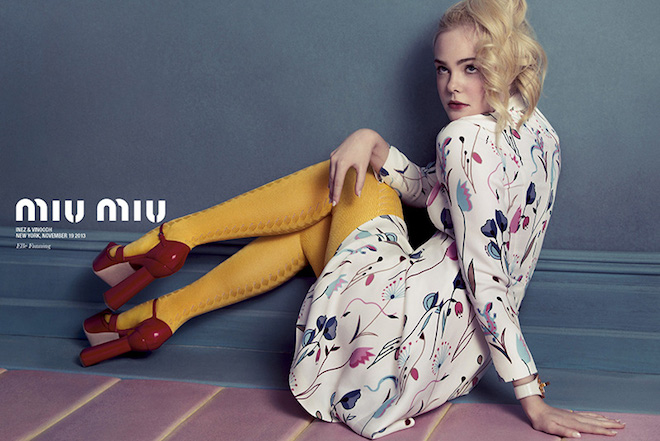
Miu Miu masterfully employs a tension between hard and soft, severe and decorative. A heavyweight wool coat might be lined in delicate silk charmeuse. A sharply tailored miniskirt is adorned with childish, glittering sequins or intricate lace trims that evoke a sense of cherished heirloom rather than overt glamour. This juxtaposition challenges purist aesthetics. It suggests that a modern woman can—and should—contain multitudes: she can be strong and vulnerable, serious and playful, polished and raw. The “Miu Miu girl” is not a one-dimensional archetype but a complex individual whose wardrobe reflects her internal contradictions.
3. The “Ugly-Chic” and Intellectual Nostalgia:
A signature Miu Miu tactic is the elevation of the “wrong” item or the awkward detail. Think of the geeky-chic loafers, the deliberately frumpy cardigan, or the school-uniform skirt rendered in luxury fabric. This “ugly-chic” sensibility is deeply intellectual; it is a critique of conventional beauty standards through recontextualization. It also taps into a powerful sense of nostalgia, not for a perfect past, but for the authentic, often awkward textures of adolescence and memory. In 2026, this feels particularly resonant for a generation (Millennials and Gen Z) grappling with digital perfection fatigue, seeking authenticity and emotional connection in their consumption.
Cultural Currency: The Art of Collaboration and Contextual Storytelling
Miu Miu’s influence extends far beyond the clothing rack because it positions itself firmly within a wider cultural conversation.
Art World Integration:
Unlike brands that use art as a superficial marketing tool, Miu Miu engages in genuine creative dialogue. Its collaboration with artist Goshka Macuga for the Spring/Summer 2026 collection, presented at Paris Art Basel, exemplifies this. The collection was framed as an exploration of “truth and fiction” and self-image, blurring the lines between a fashion show, an art installation, and a cinematic experience. This positions Miu Miu not just as a purveyor of goods, but as a patron and participant in contemporary art, attracting a culturally literate consumer who values this depth.
Narrative-Driven Collections:
Each collection is presented as a chapter in an ongoing story. The “Miu Miu uniform” is a recurring motif, but it is constantly re-examined. What does uniform mean for the creative class? For the digital native? For a woman navigating a post-#MeToo world? By casting models who are often artists, musicians, and actors with distinct public personas, Miu Miu infuses its runway with narrative depth. The clothes become costumes for these modern archetypes, inviting the consumer to insert themselves into the story.
The 2026 Imperative: Sustainability as a Creative Constraint
In 2026, sustainability is no longer a optional add-on but a foundational expectation for any credible luxury brand. Miu Miu approaches this not as a limitation, but as a facet of its innovative identity under the Prada Group’s broader sustainability framework.
-
Material Innovation: The brand actively researches and incorporates recycled materials, ECONYL® regenerated nylon, and lower-impact natural fibers. However, it frames this within its aesthetic: a recycled polyester might be used to create a uniquely crisp taffeta for a ballet-inspired skirt, thus marrying ethics with a specific design vision.
-
Craftsmanship and Longevity: Miu Miu’s emphasis on intricate craftsmanship—visible stitching, meticulous finishes, and substantial fabrics—inherently promotes a slower fashion model. These are not disposable trend pieces but complex garments designed to be studied, appreciated, and worn for years, aligning with the growing “buy less, buy better” philosophy.
-
Cultural Sustainability: By championing upcycled vintage elements, exploring mending techniques as decoration, and focusing on timeless yet idiosyncratic silhouettes, Miu Miu participates in the cultural shift towards circularity and emotional durability. Its “newness” often comes from a clever reworking of the past, making it a leader in the “nostalgic futurism” that defines 2026.
Conclusion: The Alchemy of Intelligence and Irreverence
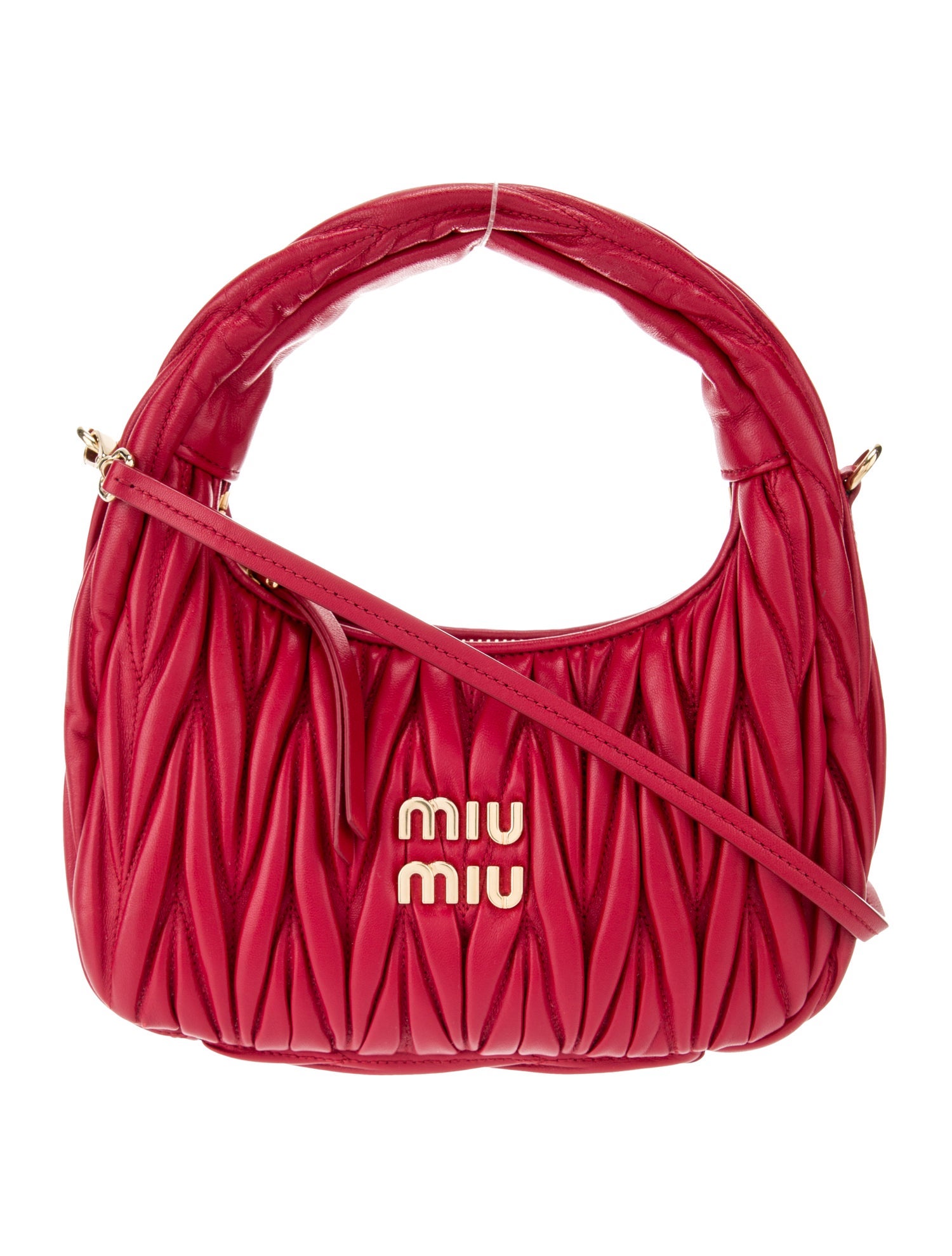
Miu Miu’s dominance in 2026 is the result of a perfect alchemy. It offers the intellectual heft and quality of high fashion without the perceived stuffiness. It provides the playful, trend-aware energy of contemporary streetwear without sacrificing sophistication or material integrity. It deconstructs femininity not to destroy it, but to rebuild it on a foundation of personal agency and complex identity.
Ultimately, Miu Miu sells more than clothes; it sells a point of view. It is the brand for the woman who is too smart for blatant logos, too creative for bland minimalism, and too confident to conform to a single style dogma. In a world of noise and excess, Miu Miu provides a curated, witty, and deeply personal language for self-expression. It doesn’t follow the zeitgeist; by masterfully blending contradiction, craftsmanship, and cultural savvy, it consistently helps to define it.